



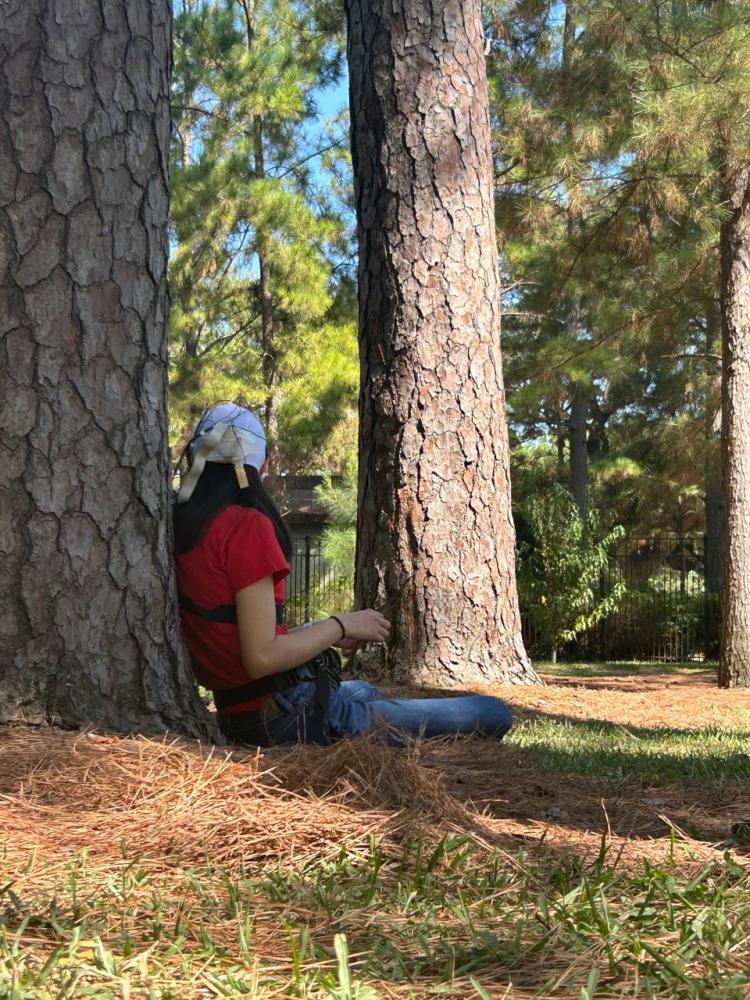
Engaging nature alongside the use of mobile brain/body imaging
Several studies have investigated the effects of nature on a psychological and physiological level. Utilizing a mobile EEG setup, participants explored an urban nature area without constraints. Attempting to identify the corresponding neural mechanisms involved, and their correlation to the effects elicited by natural stimuli.
Mental health is a predominant issue at a global scale, where more than 1 billion people suffer from a type of psychopathology. Evidence suggests that this issue is exacerbated in urban settings, considering factors such as population density, acoustic pollution, and environmental stress. These conditions weighing on the individual’s psyche create a favorable setting for the conception of these illnesses, where it is expected to observe an exponential growth of this situation with the constant development of urban areas. Considering this inevitable process, the presence of urban nature may act as a form of a low-cost and effective intervention. Interaction with natural settings has demonstrated positive effects, such as emotional well-being, stress reduction, and streamlining restorative psychological processes. The nature of this type of intervention is relevant to Whole Person Health (WPH), which views a person as an integrated system, emphasizing physical, mental, emotional, social, and environmental factors.
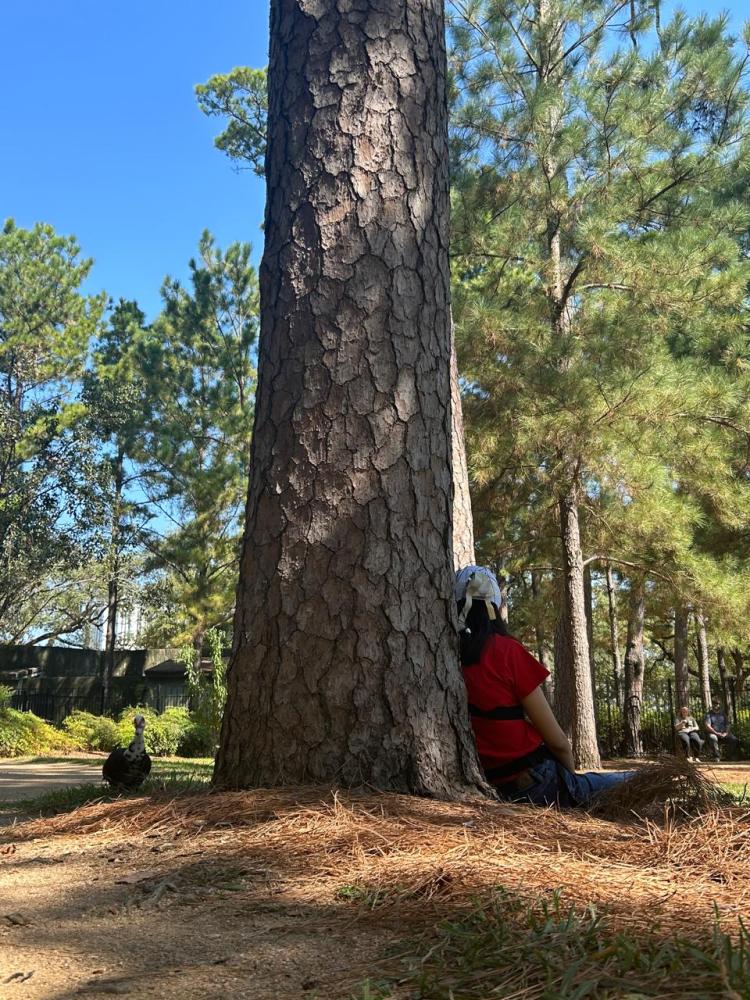
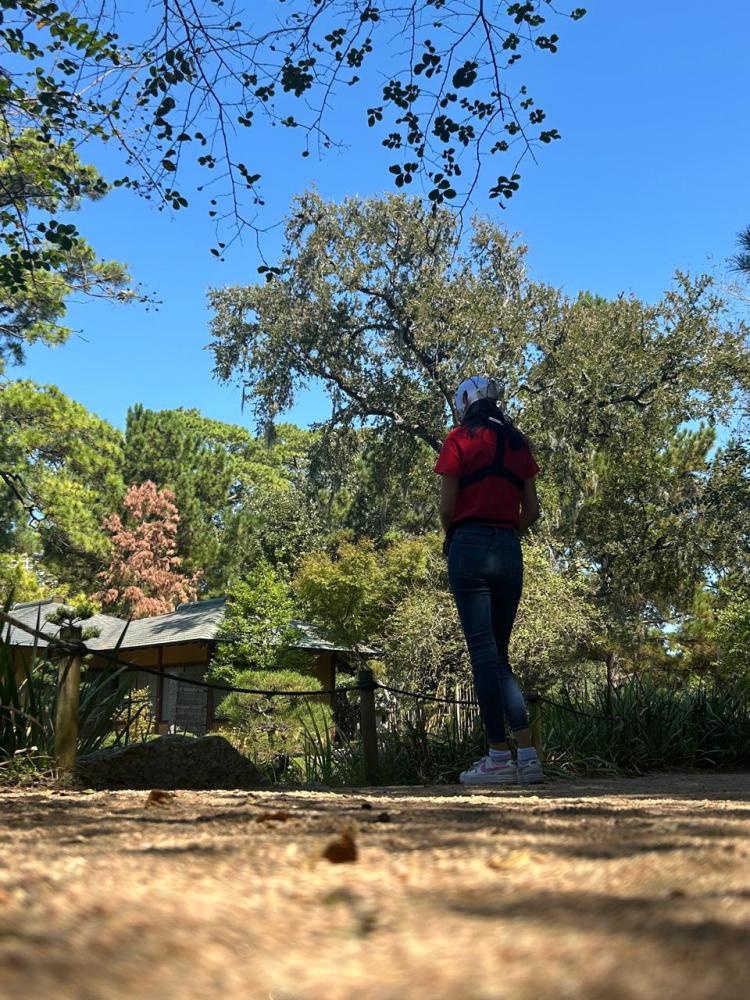
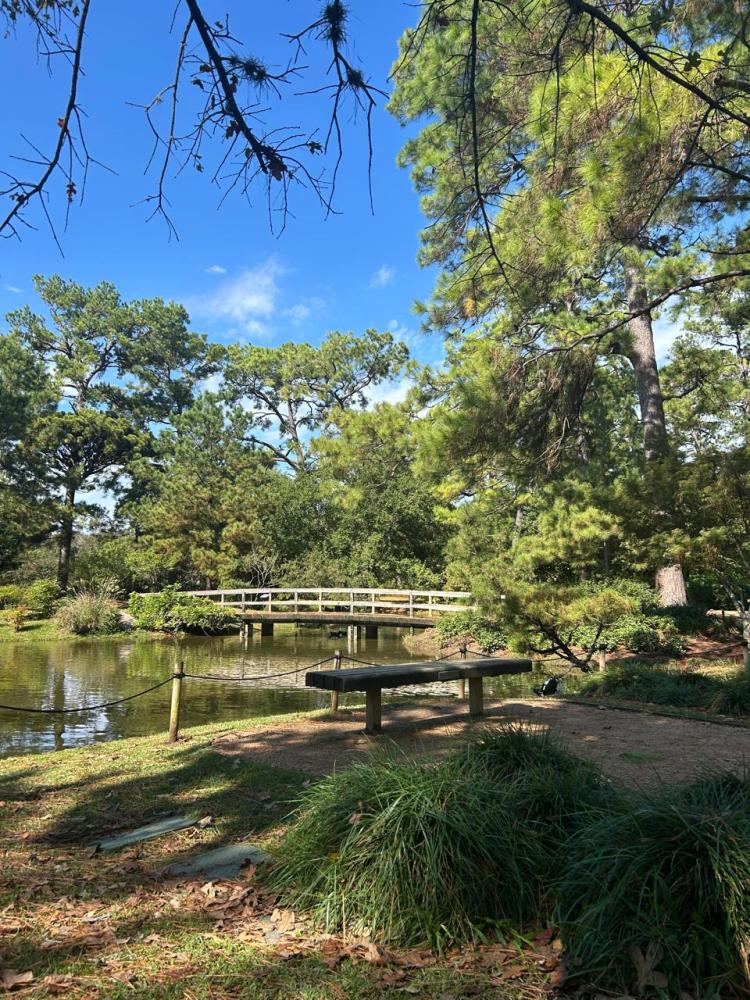
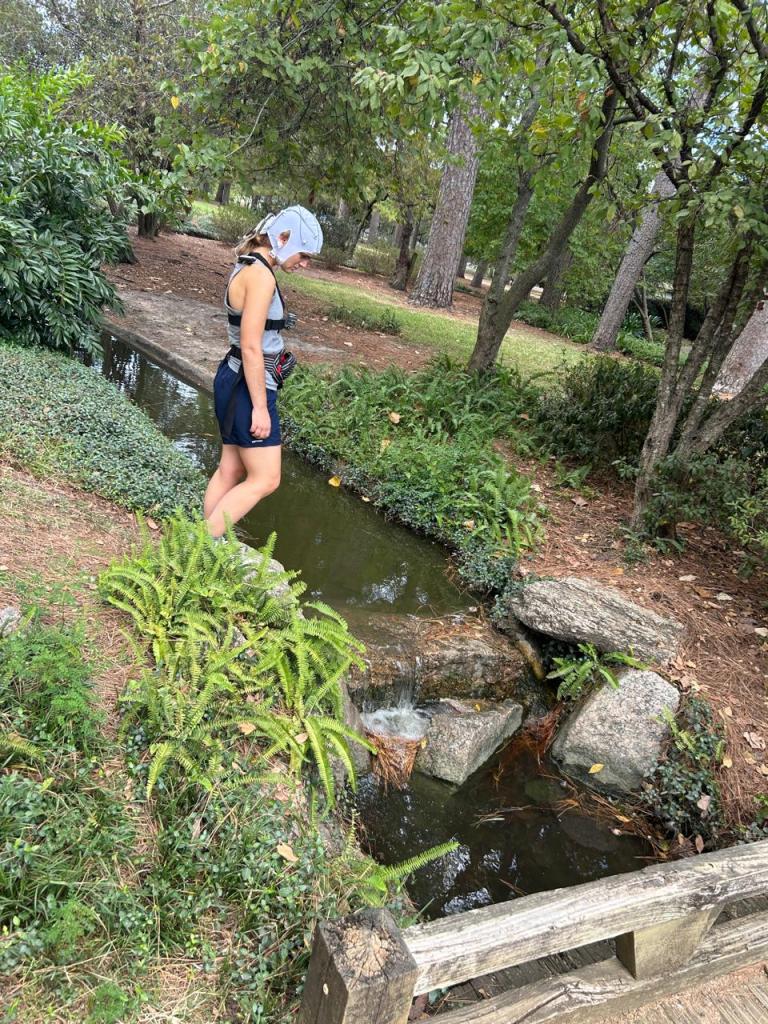
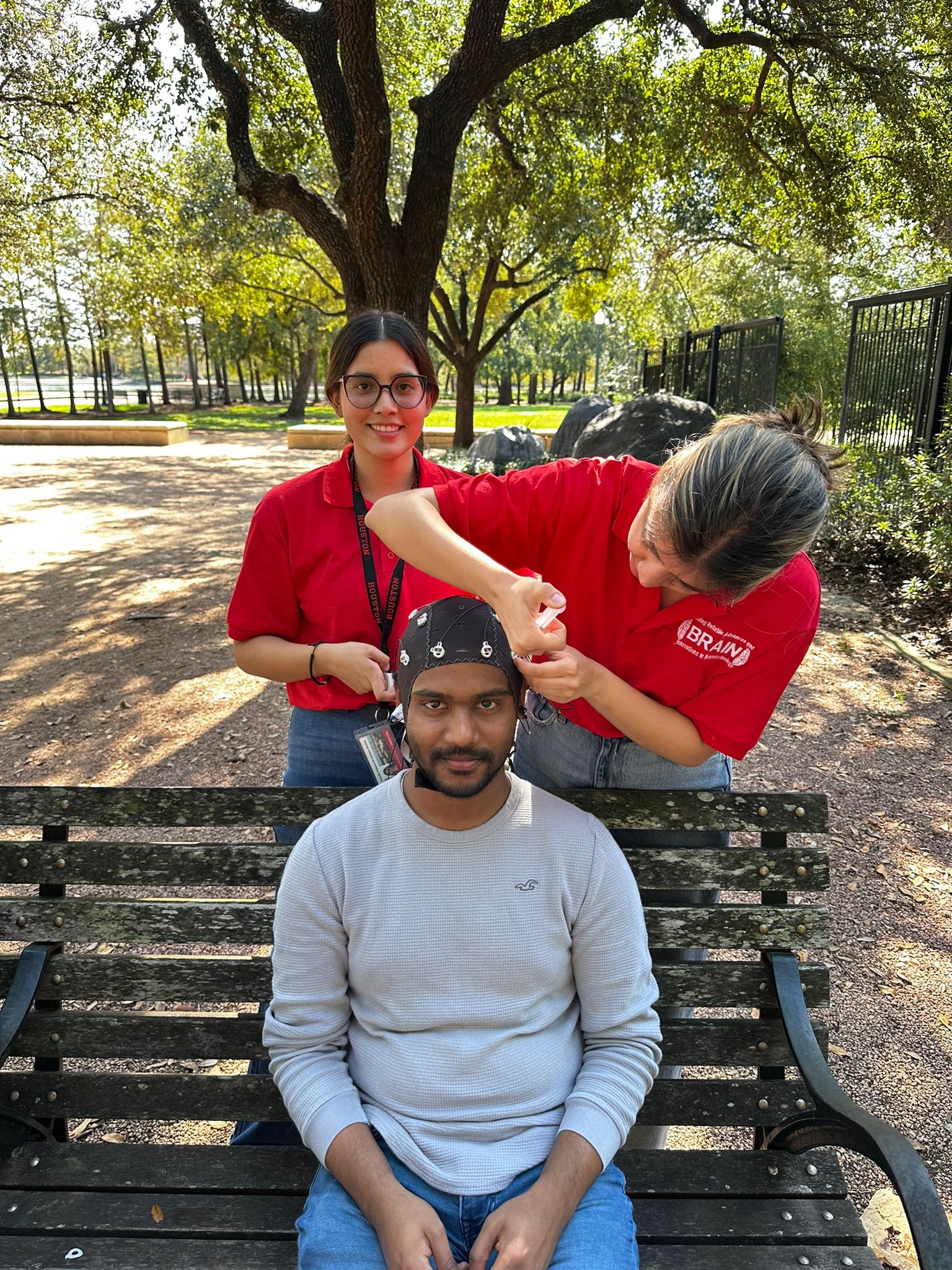
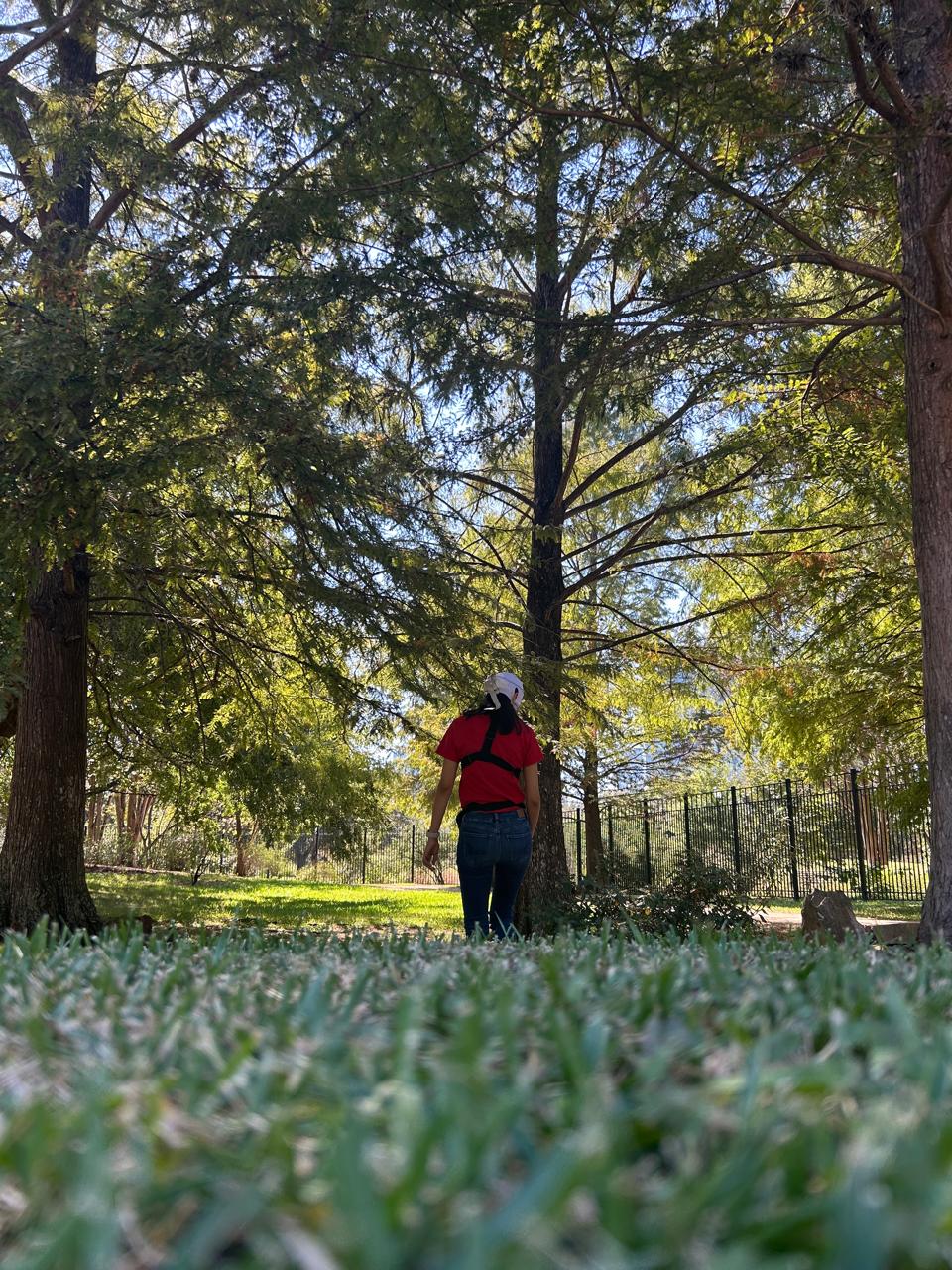
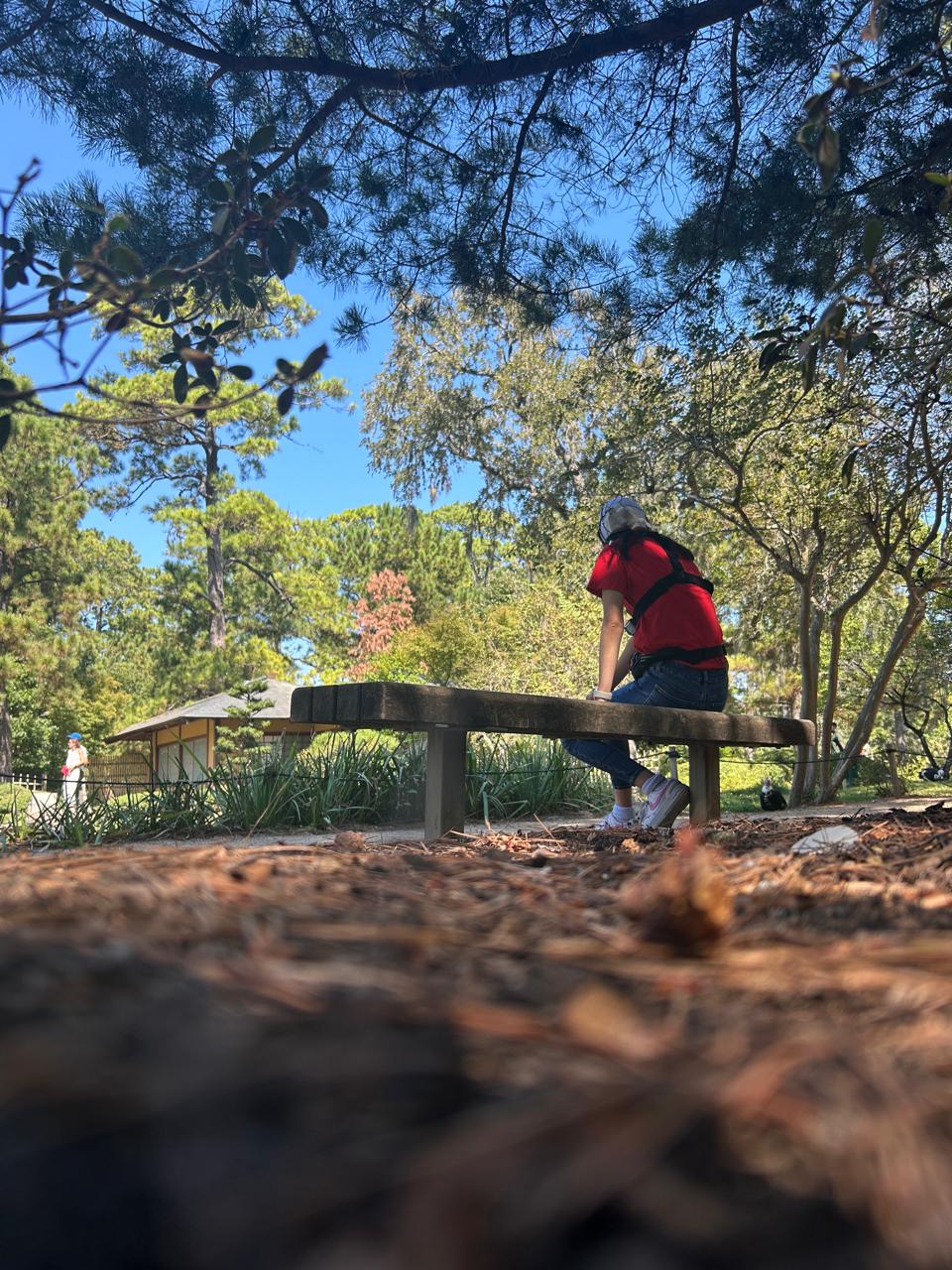
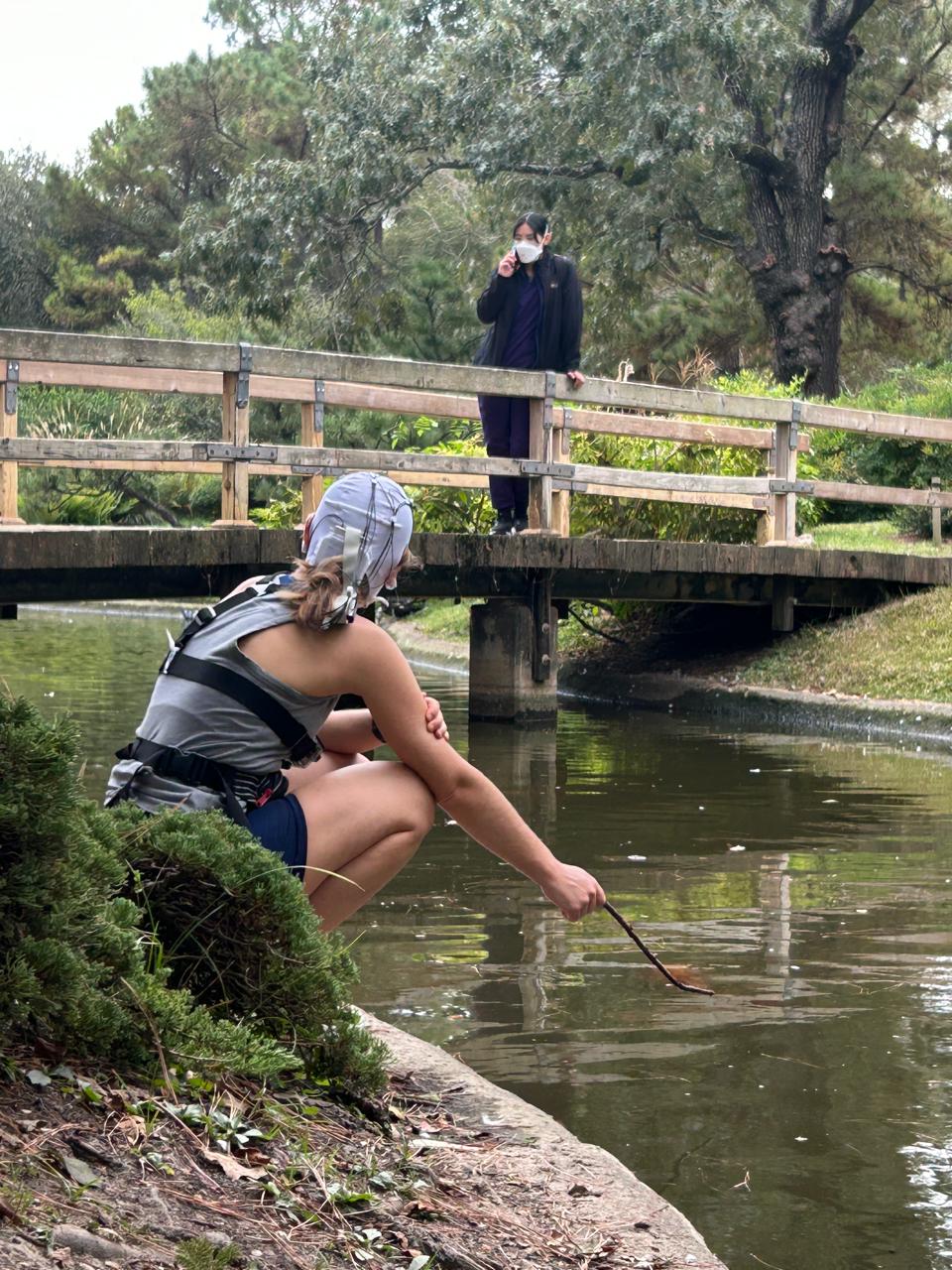
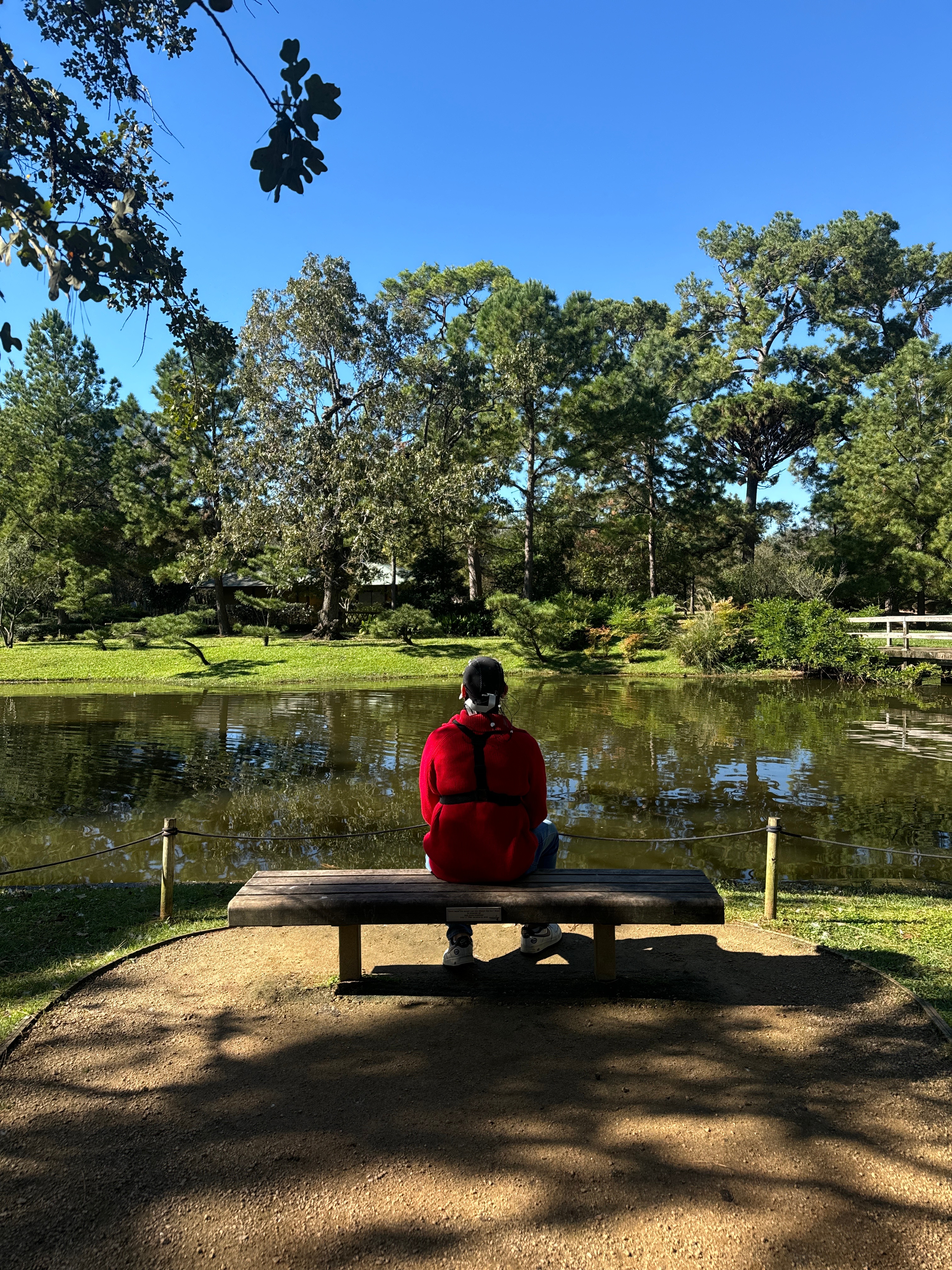
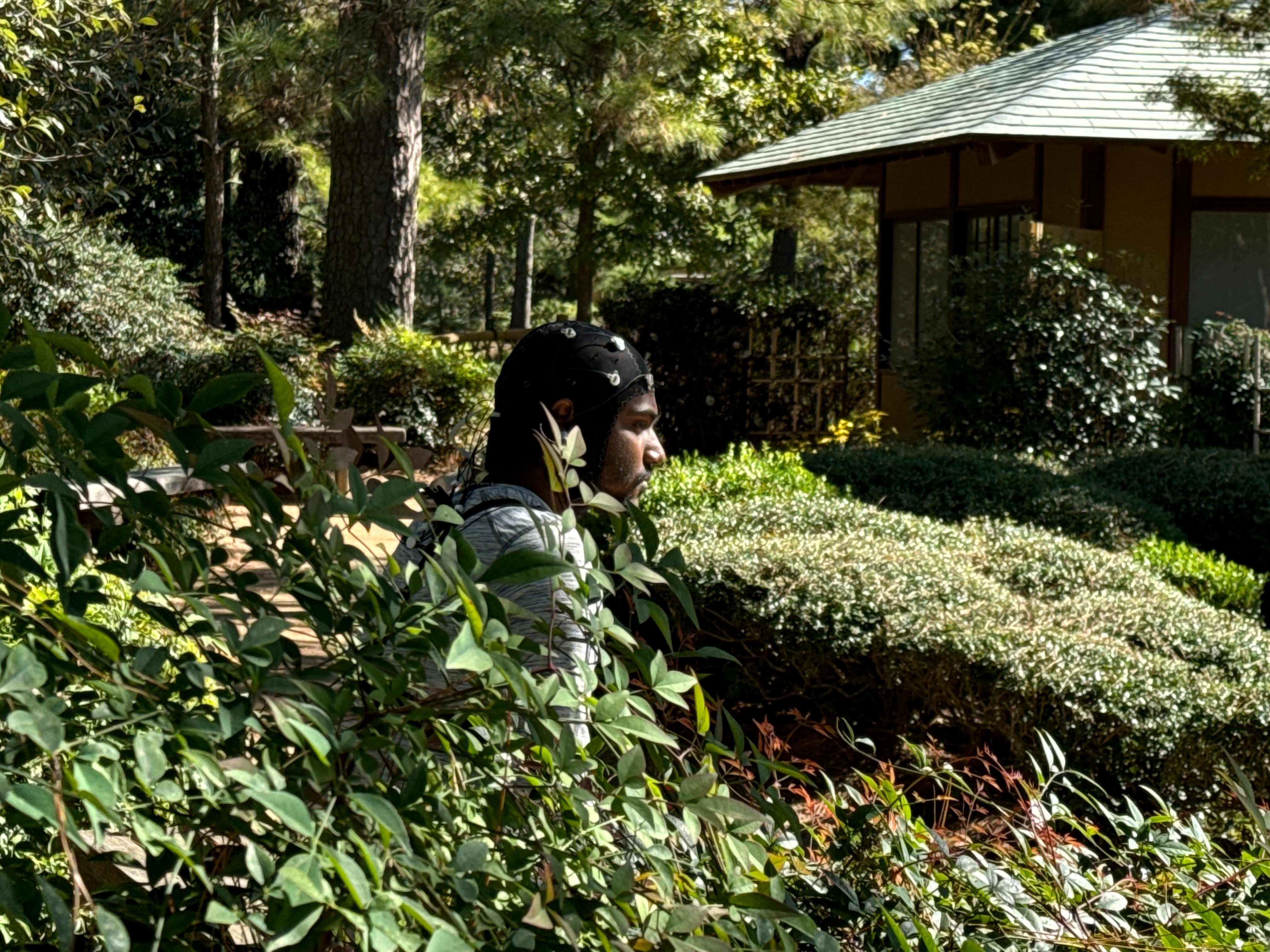
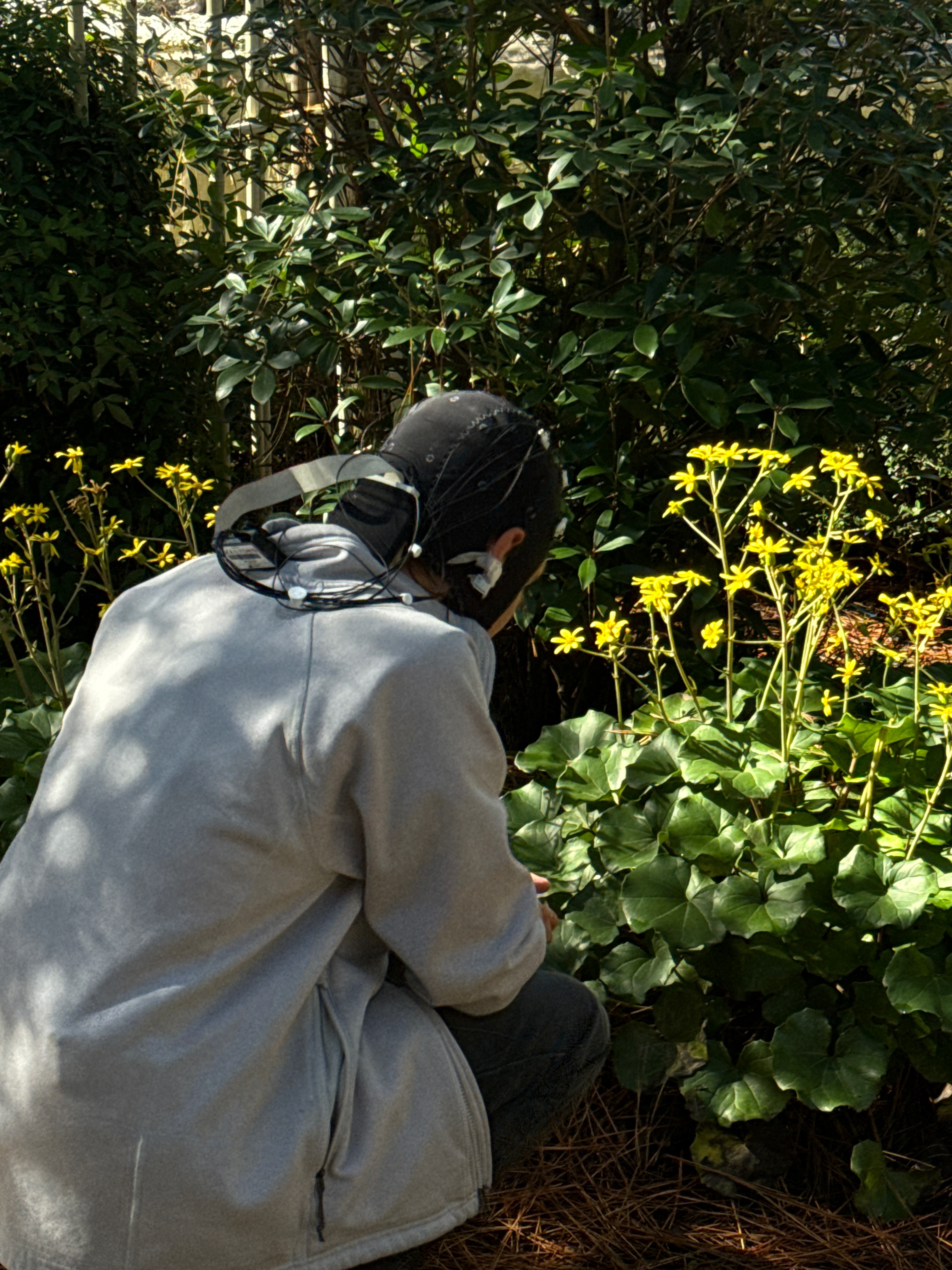
Brain on Nature (BoN) is a project with a total of 20 participants, where they interacted with fauna and flora in a designed urban nature location. Within each session, electroencephalography (EEG), triaxial acceleration, live footage, and location/movement via global positioning system (GPS) was recorded for each participant in a one-off session. Attendees were instructed to freely explore the experimental site and interact with its elements at their discretion. The study adopts a Mobile Brain-Body Imaging (MoBI) framework to prioritize ecological validity. BoN is conceptually structured to capture neural activity alongside contextual and behavioral information during human-nature interactions. Combining portable neurotechnology with geolocation and audiovisual context, the project is positioned to examine the brain dynamics as individuals freely move through and engage with natural urban environments, rather than under constrained laboratory conditions.
At its core, BoN aims to establish a scalable and reproducible framework for studying human-nature interactions through synchronized multimodal data, while providing a methodological foundation applicable to future studies in urban health, neuroscience, and applied neuroengineering. The project emphasizes temporal coherence, standardized event representation, and integrative analysis as foundational principles for linking neural signals to environment exposure and subjective experience.
Team
Brain-Machine Interface (BMI) Systems Laboratory

Yoshua E. Lima Carmona

Jose L. Contreras-Vidal

Diego G. Hernández Solís

Debolina Das

Claudia Rebeca de Stefano Ramos
Gallery
 Brain On Arts