


Unlocking the Rhythm of the Mind
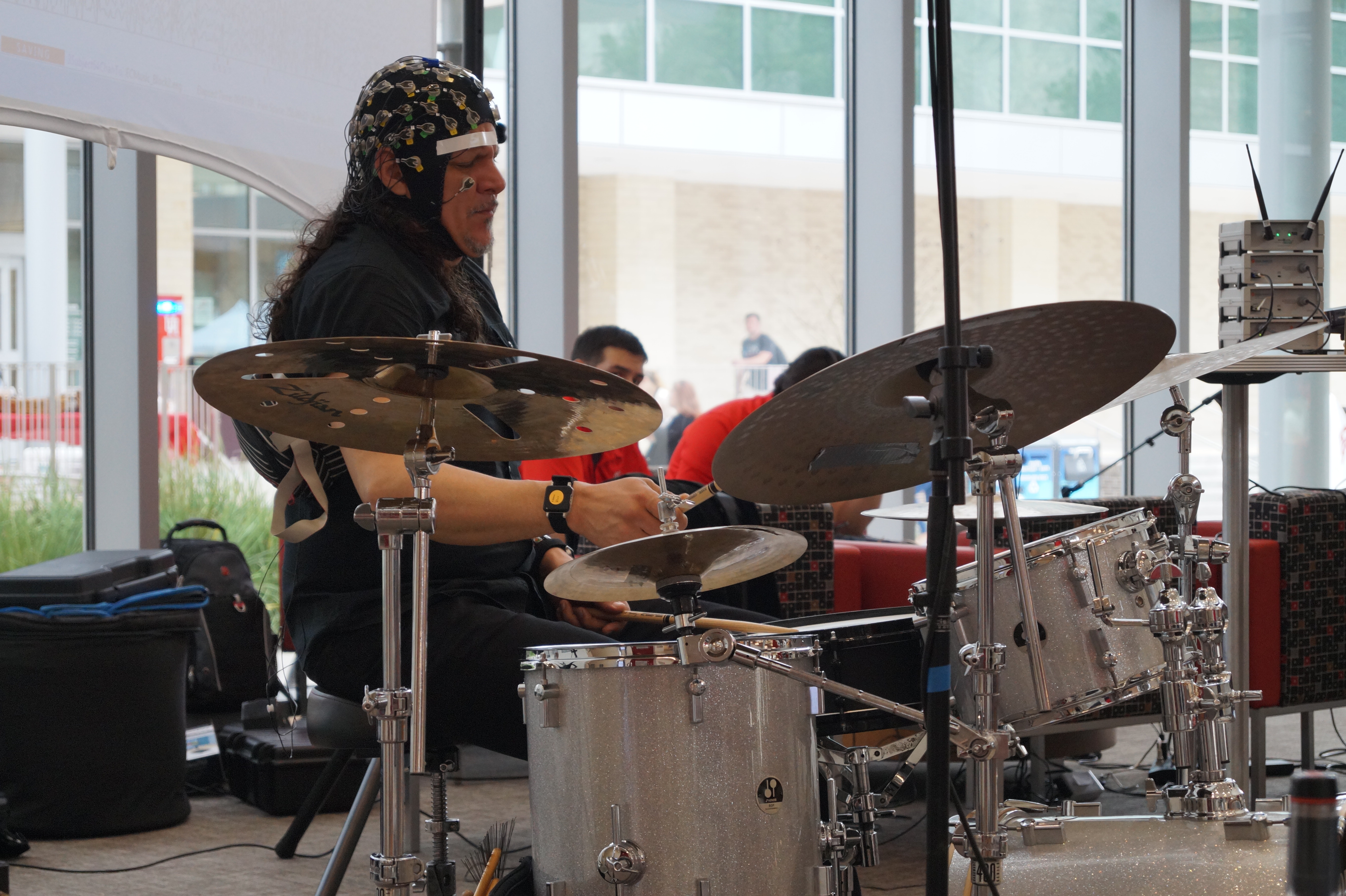
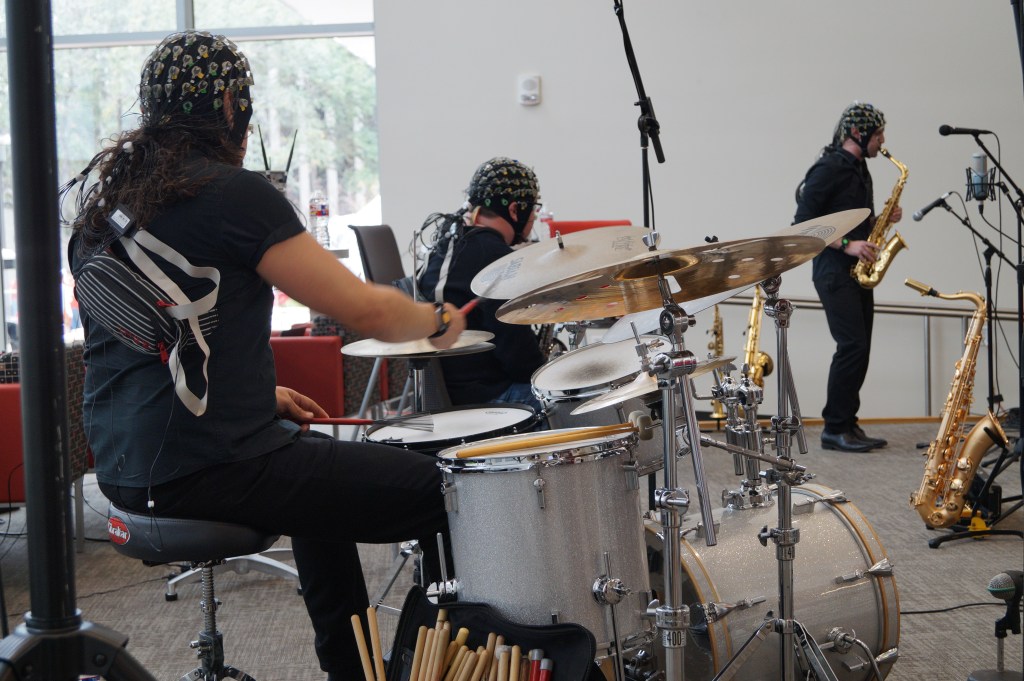
Brain On Music is a fascinating endeavor that aims to understand how the brain processes music. By using a range of neuroimaging techniques and naturalistic musical stimuli, the project has made significant strides in uncovering the complex neural processes involved in music perception, cognition, and emotion.
Music is a universal language that has the power to evoke strong emotions, memories, and social connections. Yet, the neural mechanisms underlying musical experience remain a mystery. In recent years, the emerging field of brain on music has made significant strides towards understanding how the brain processes and responds to music.
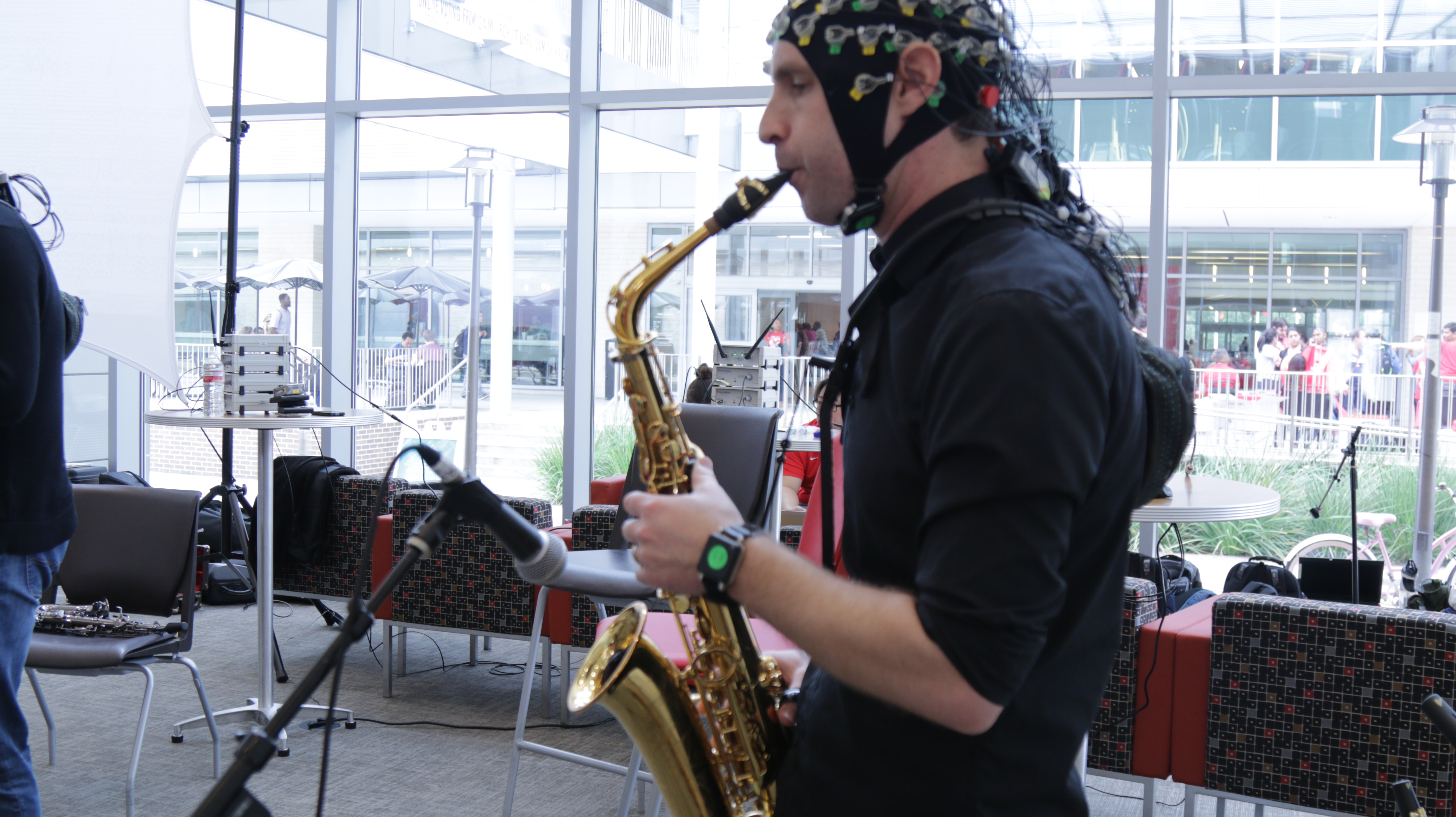
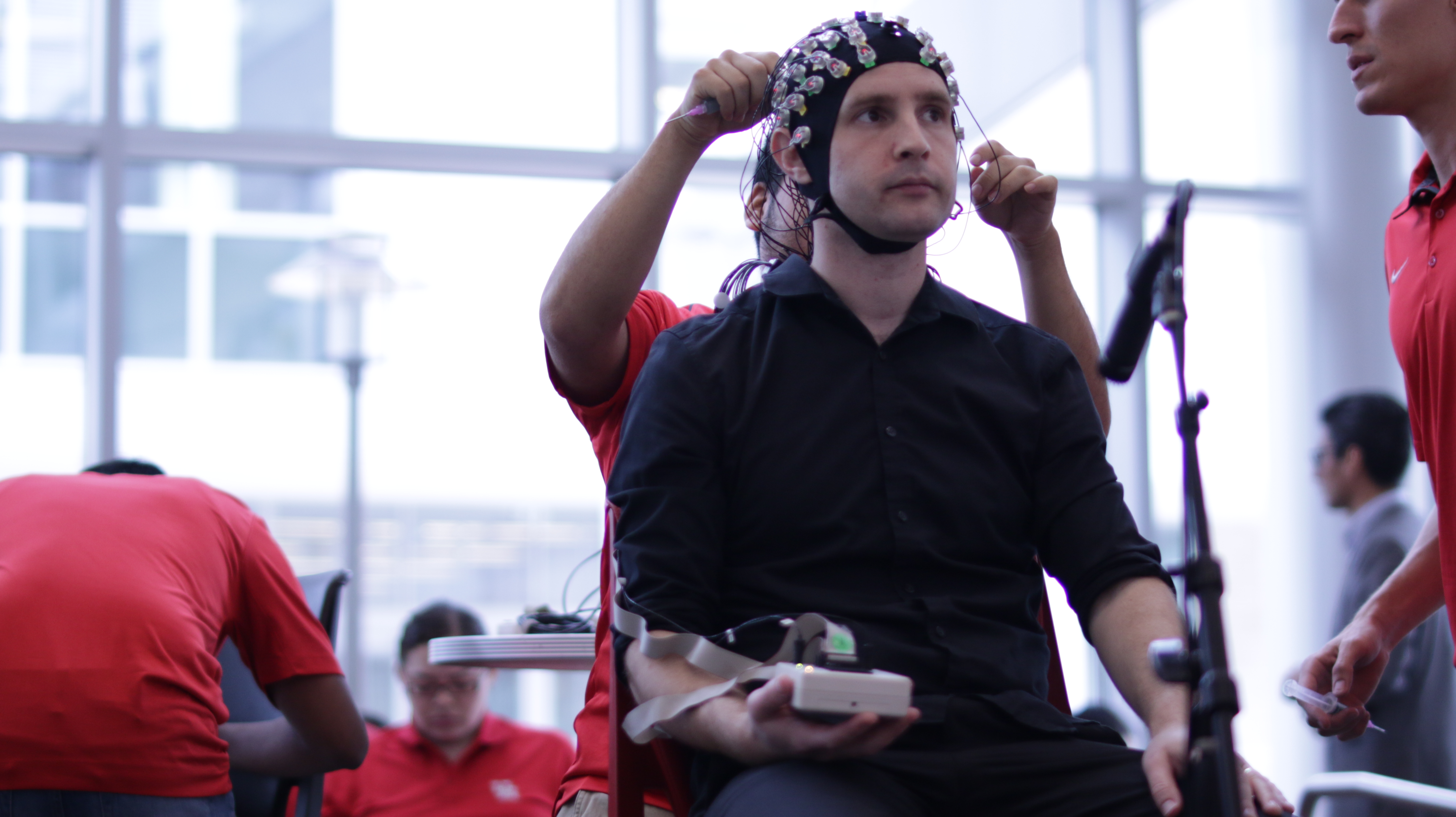
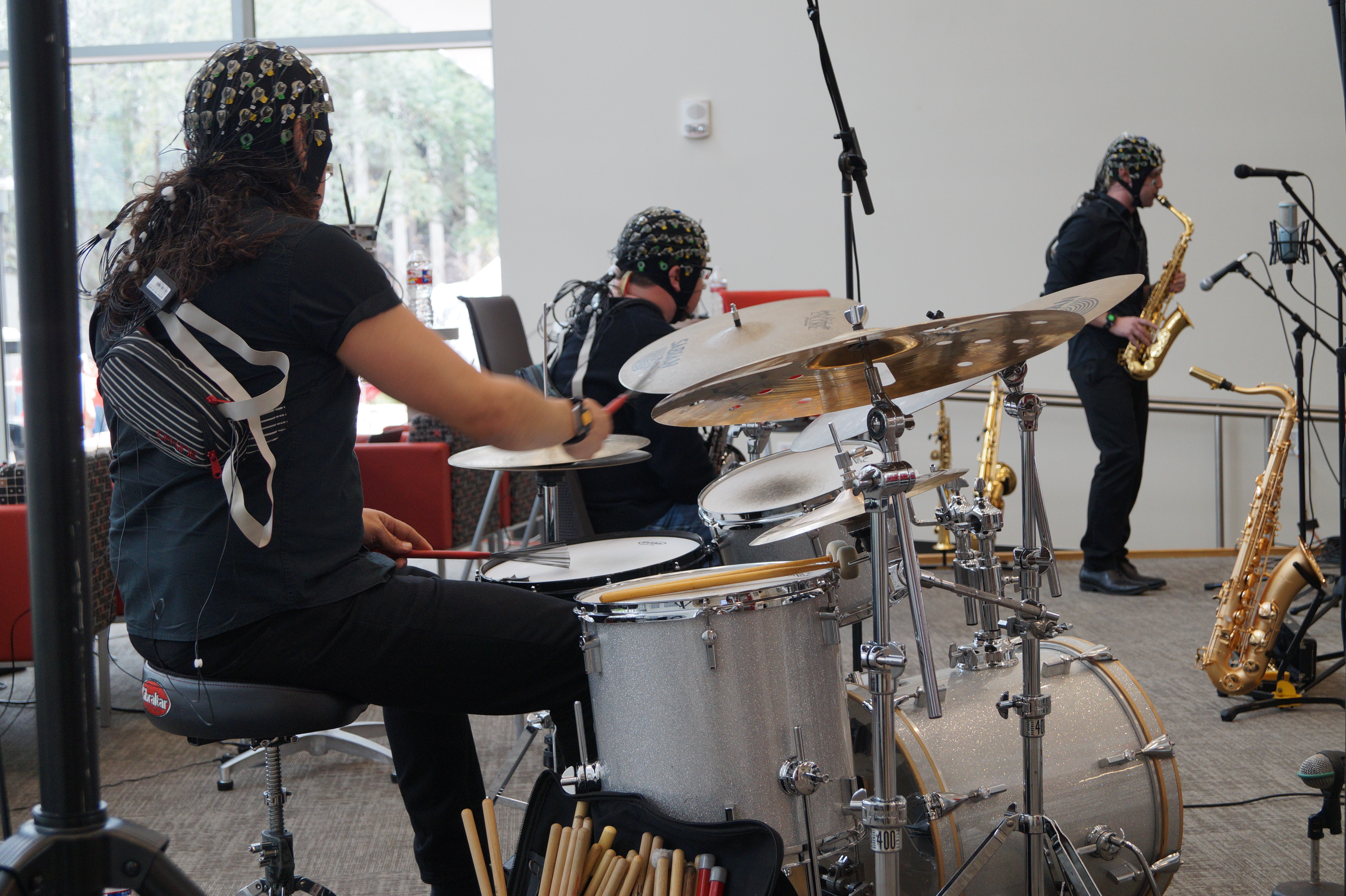
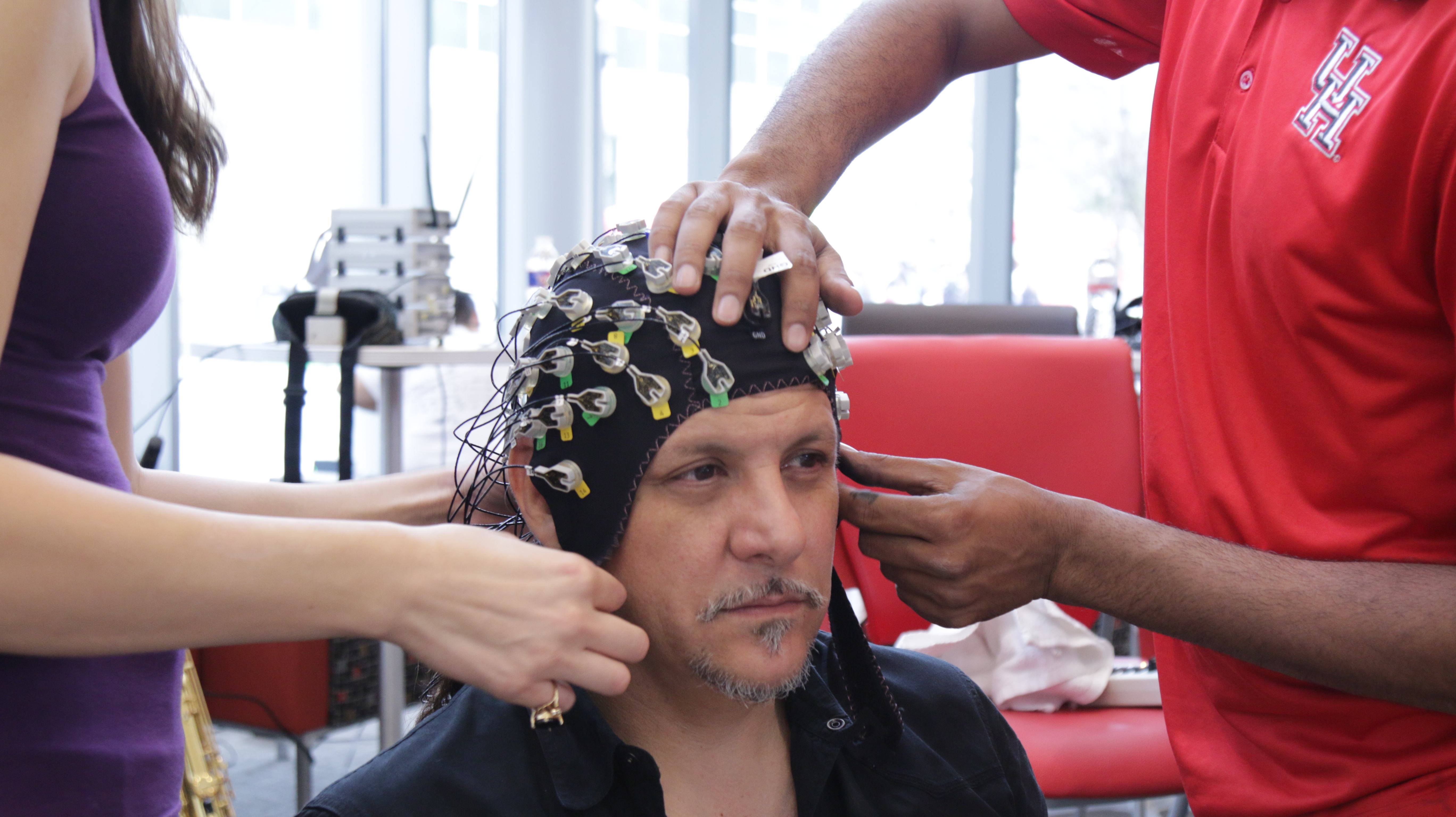
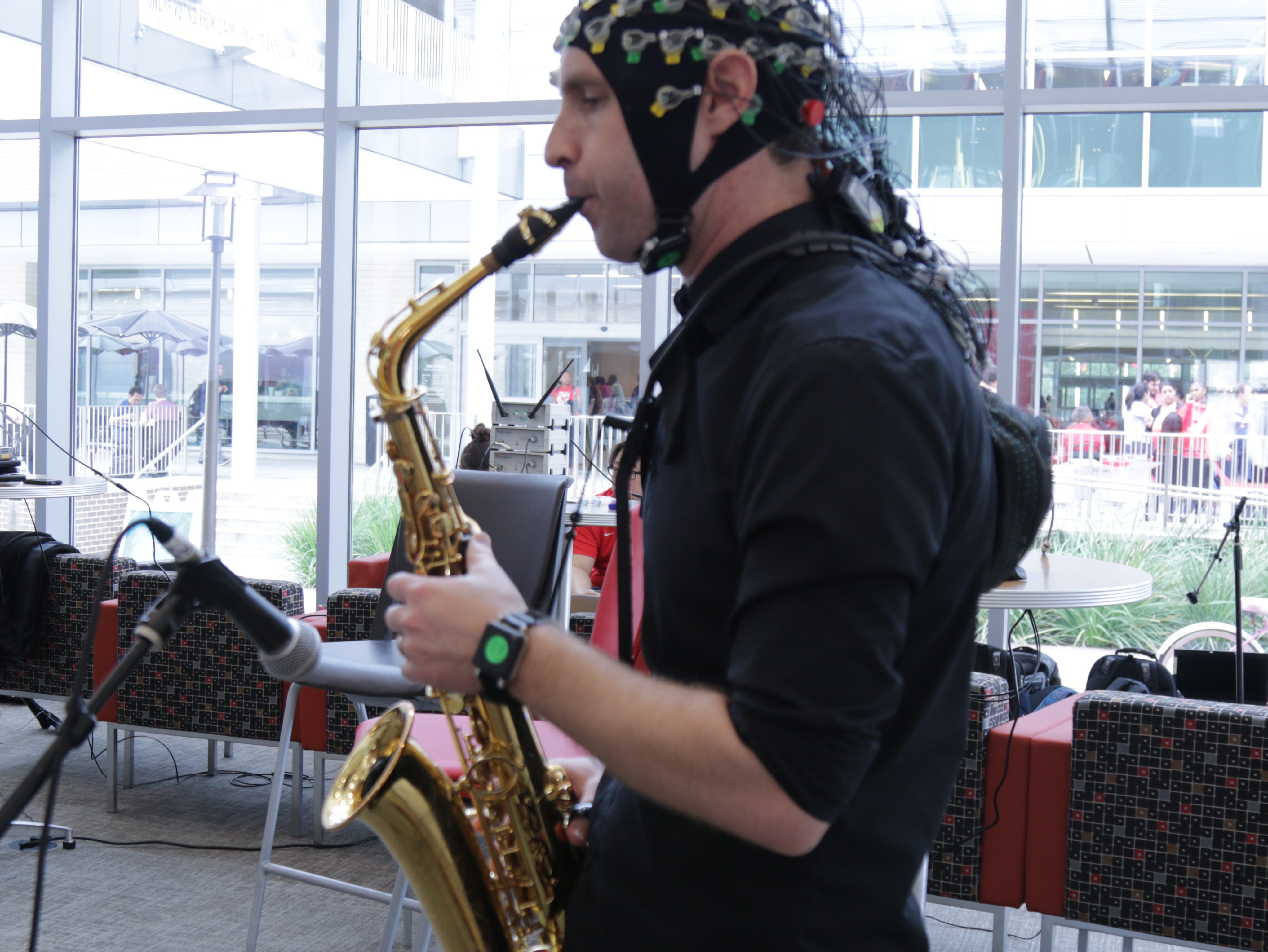
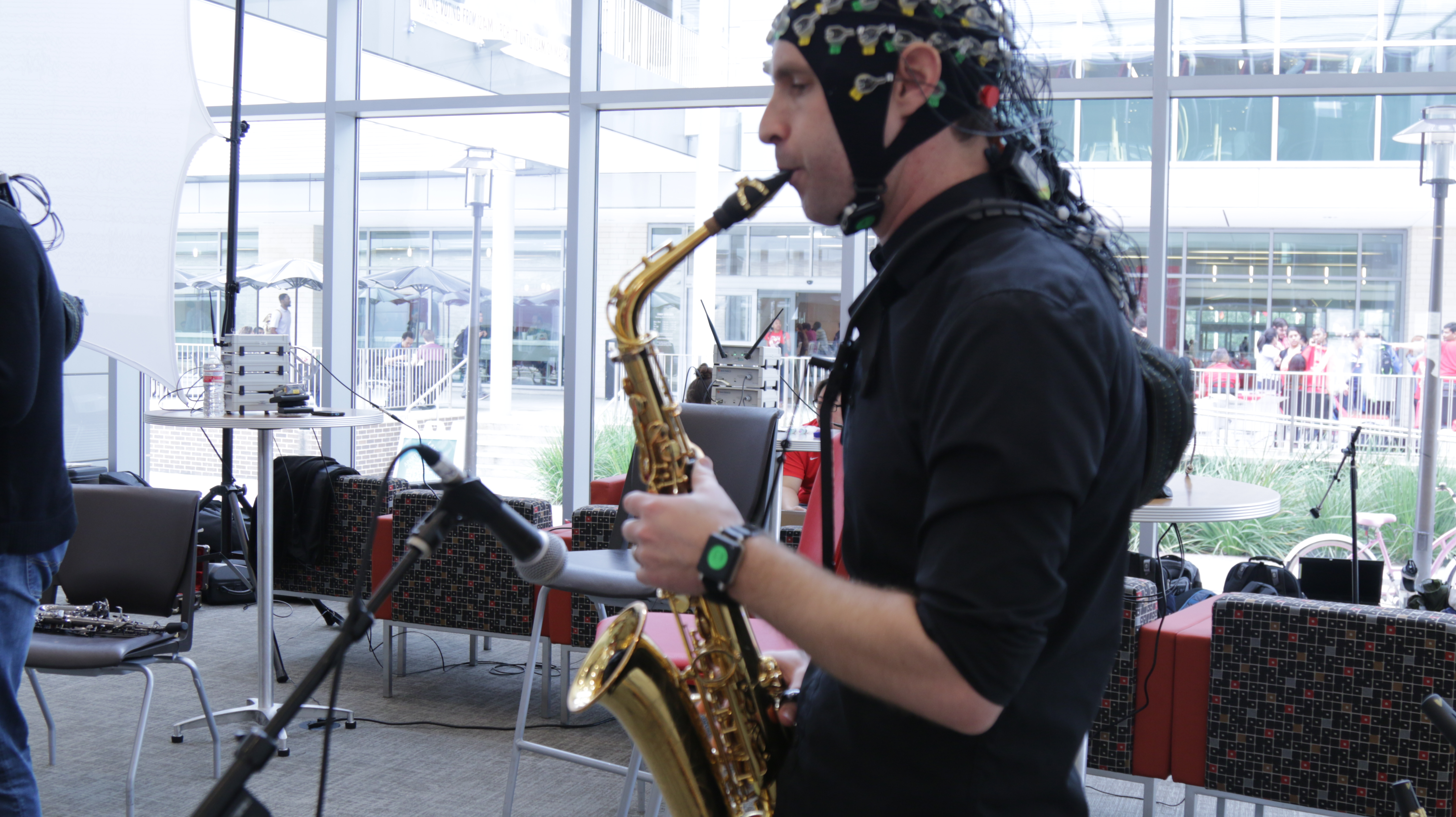
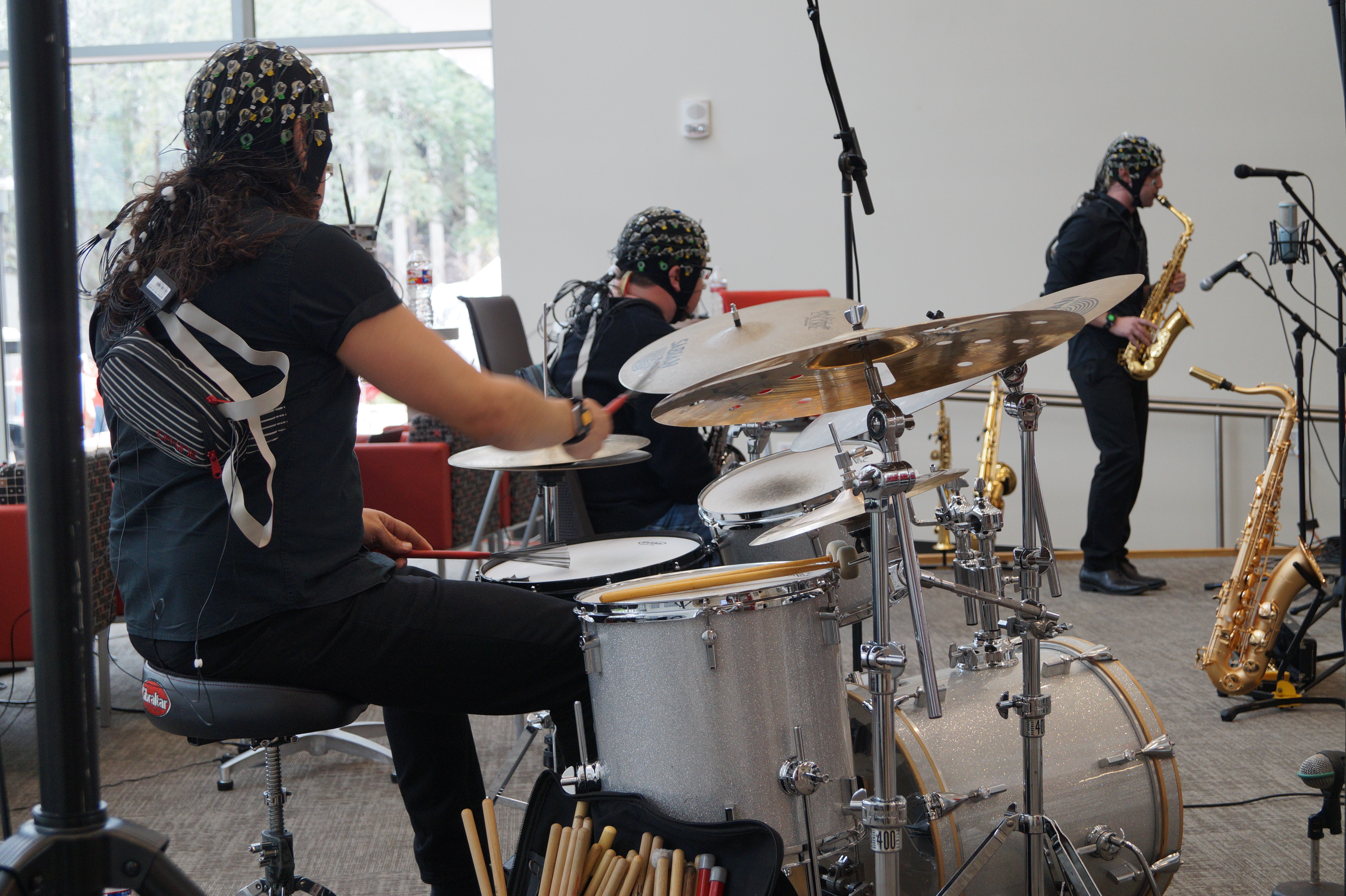
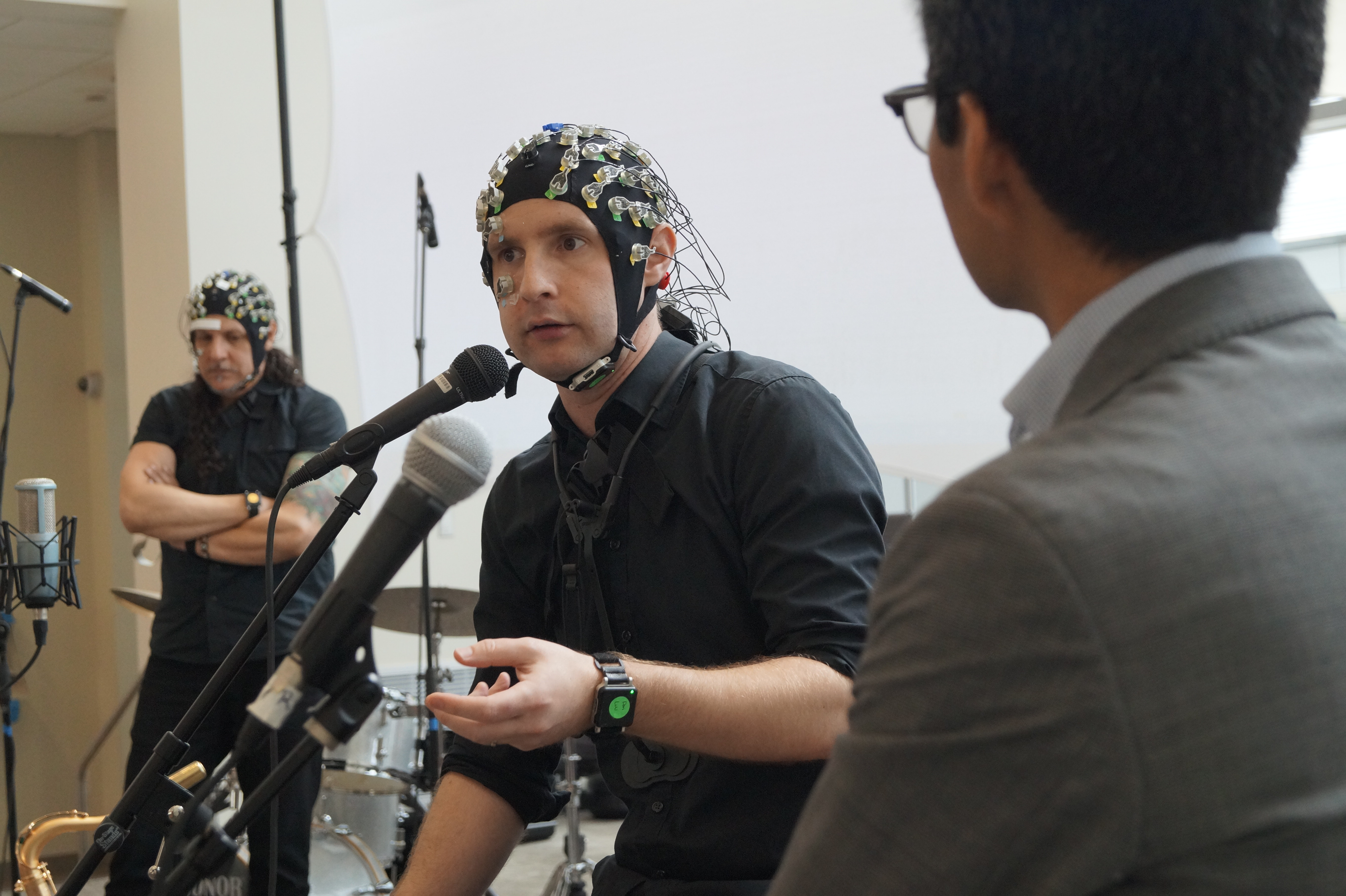
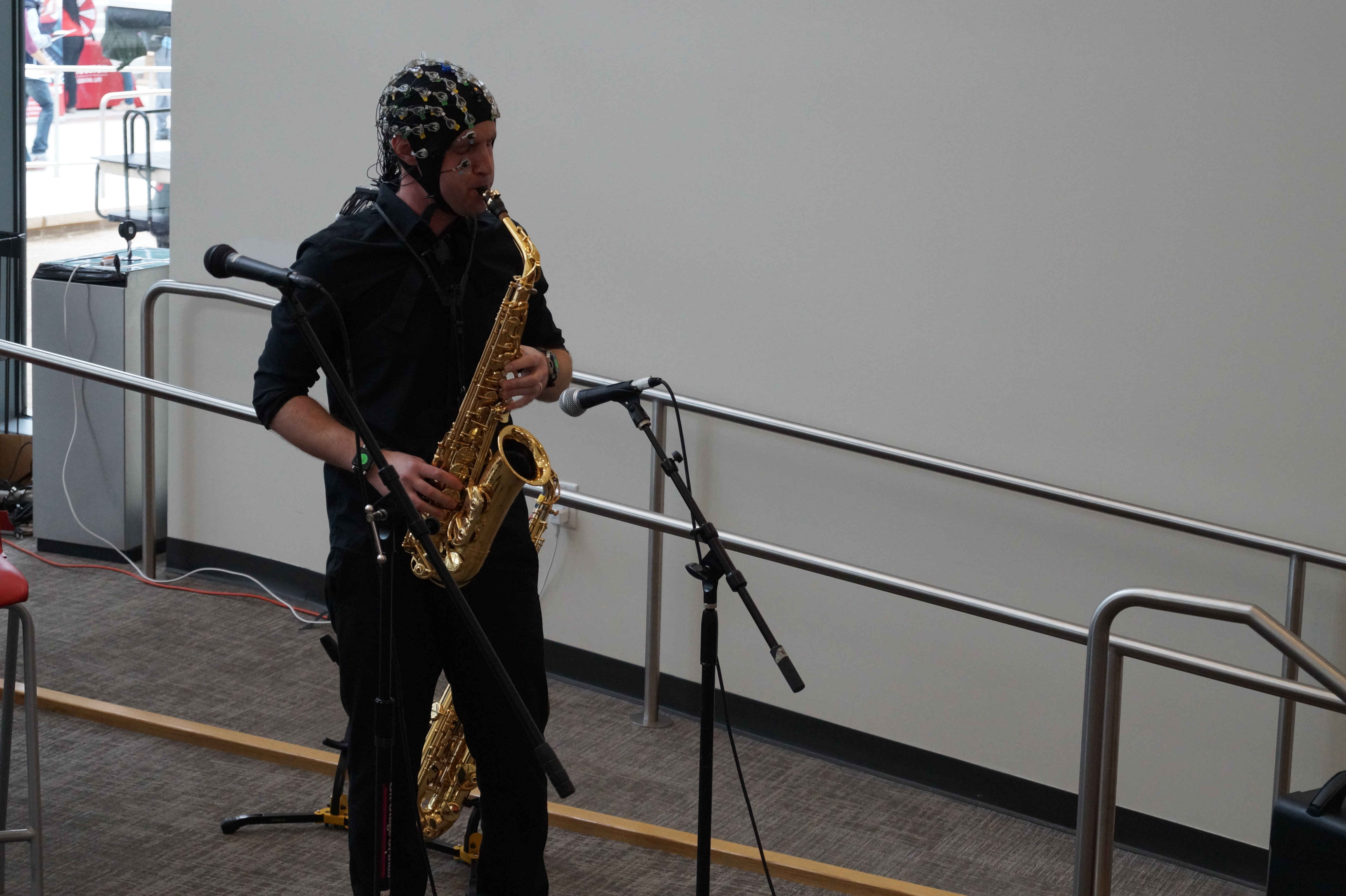
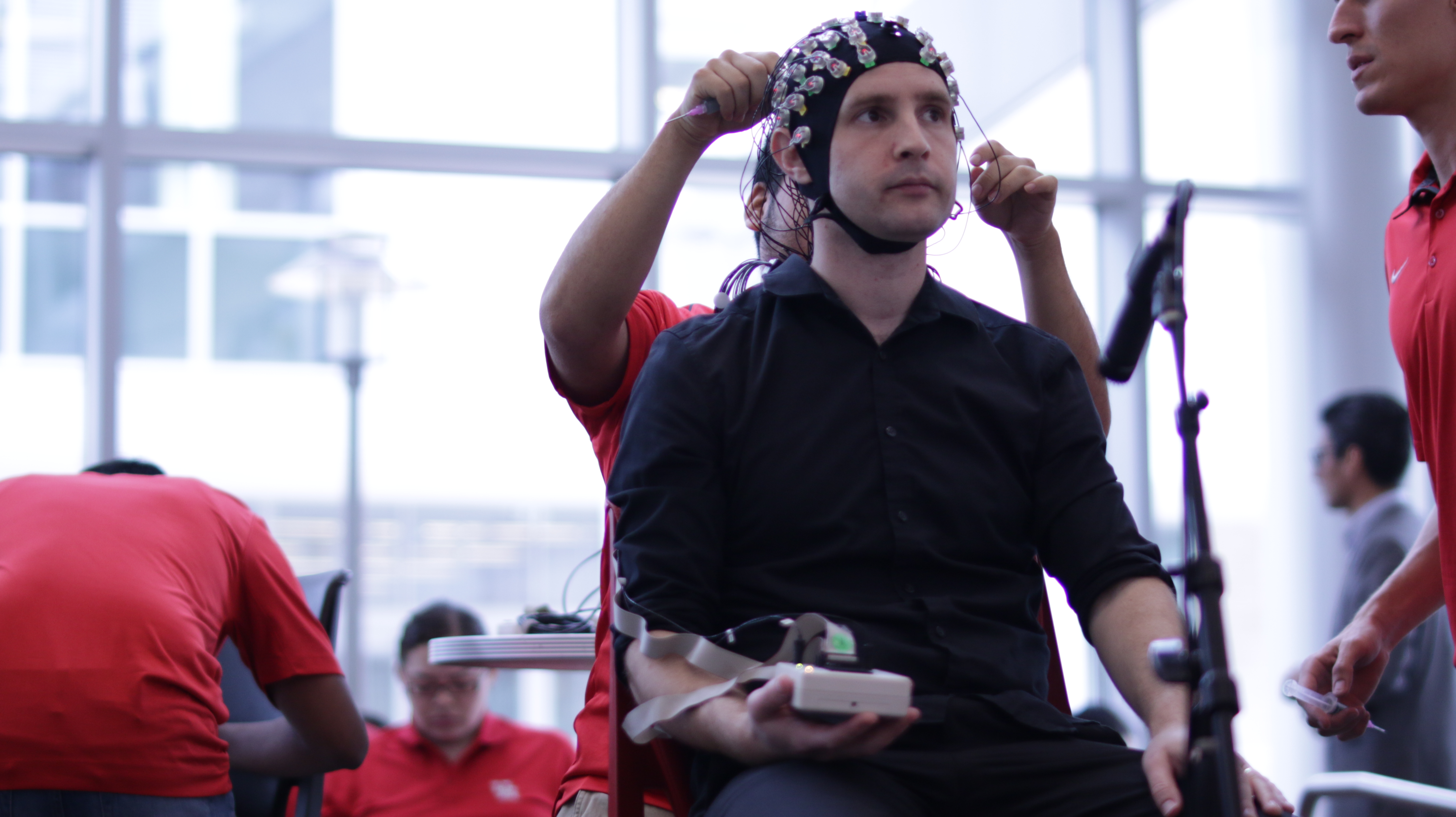
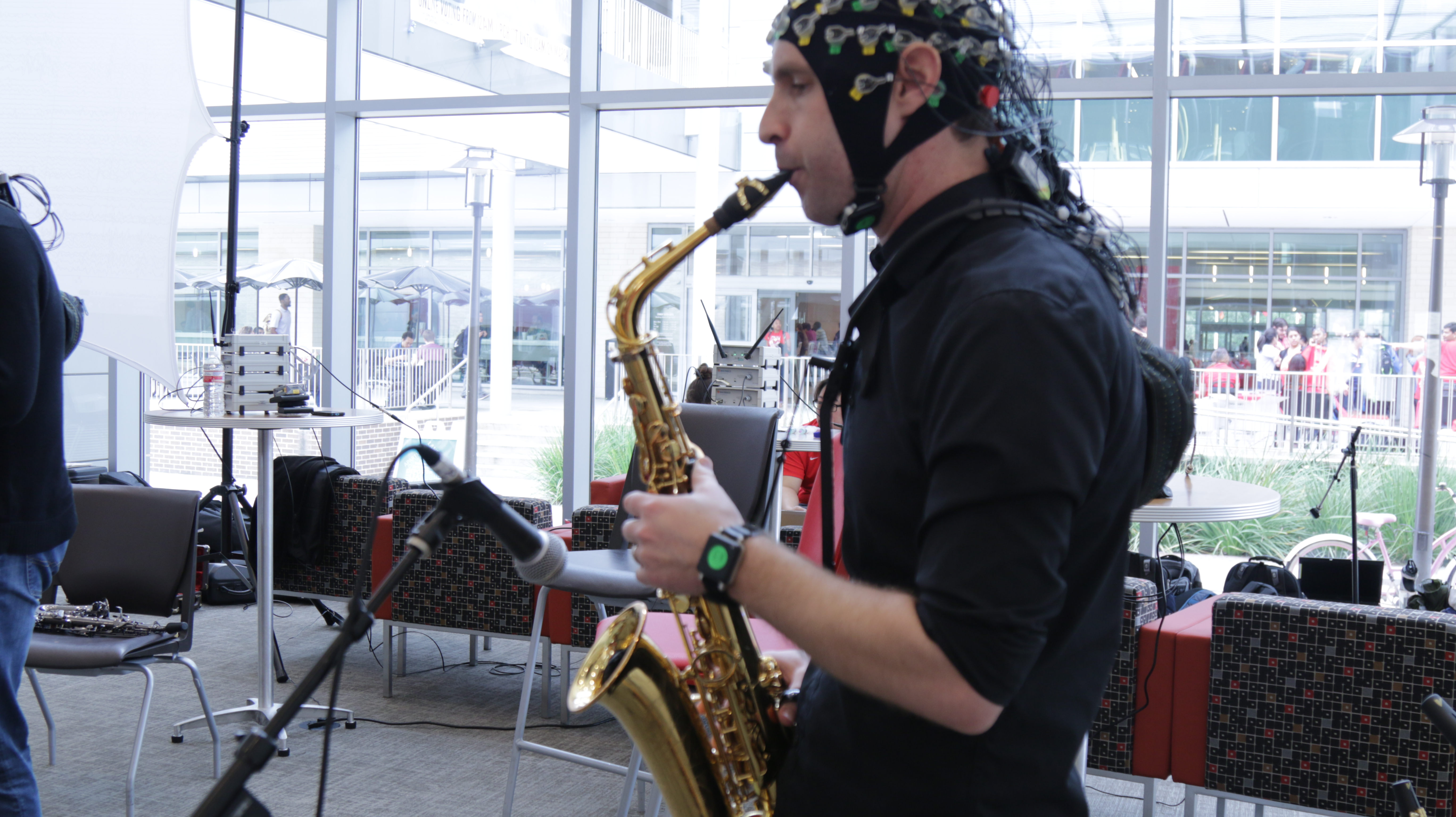
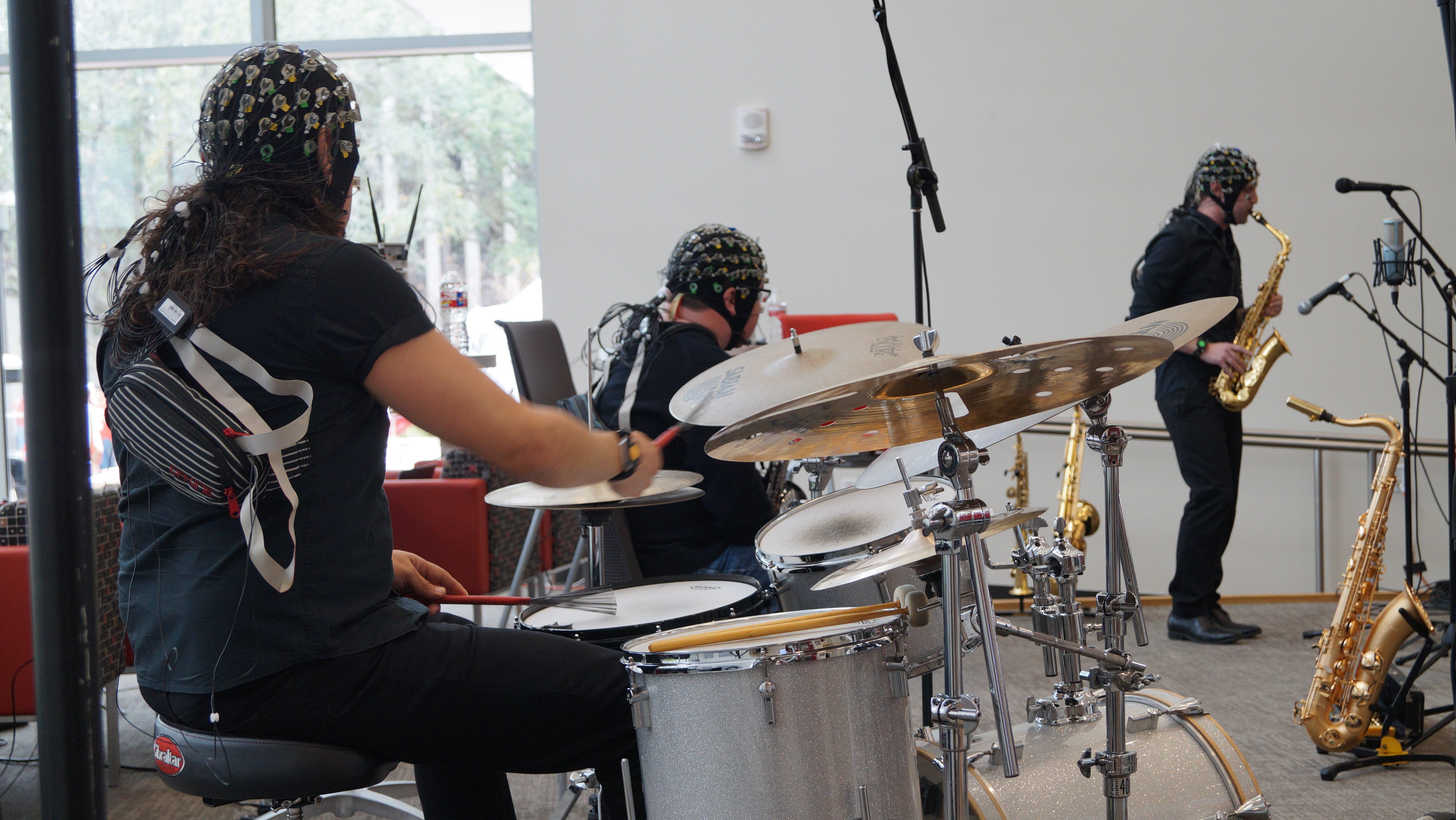
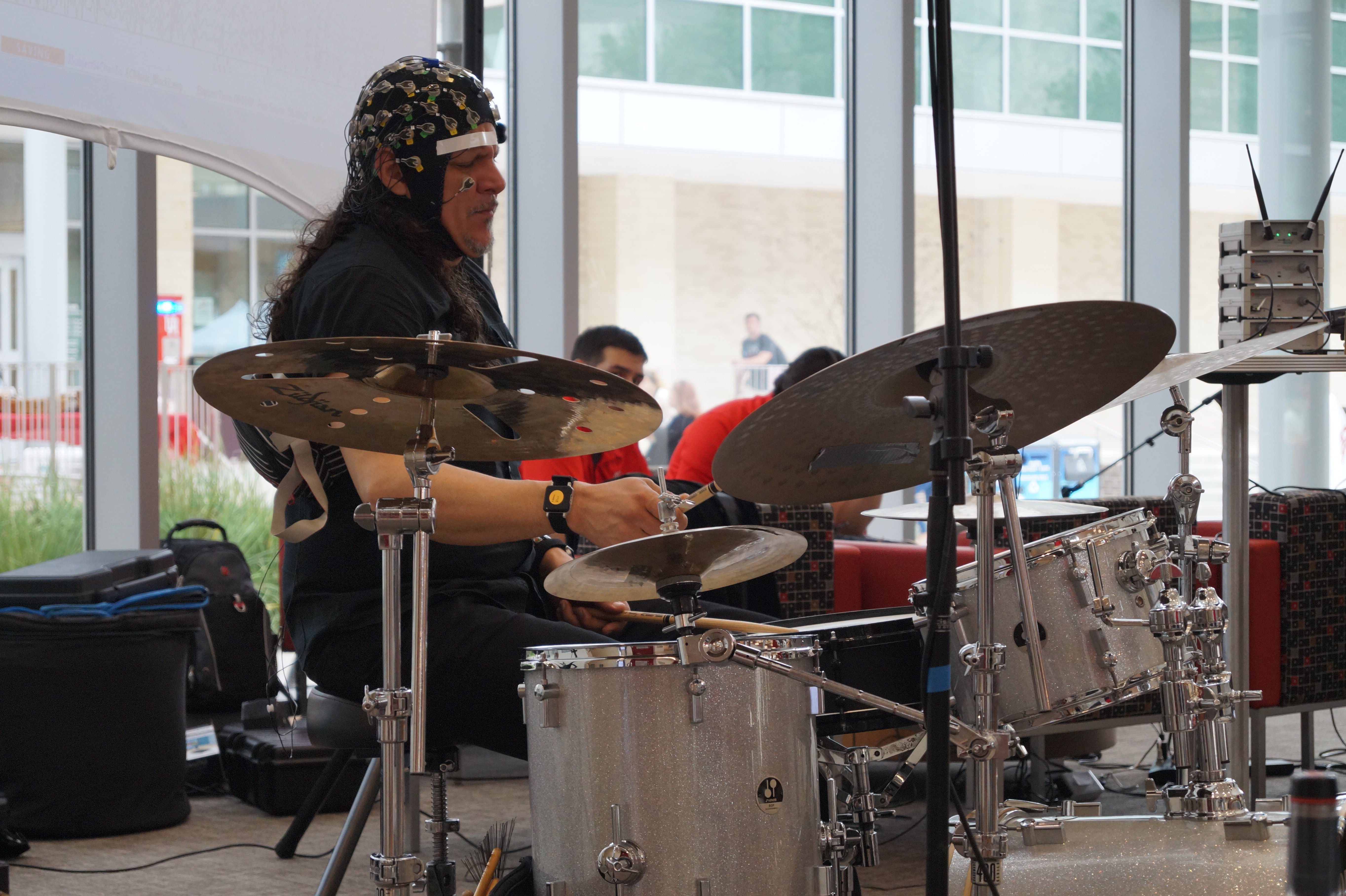
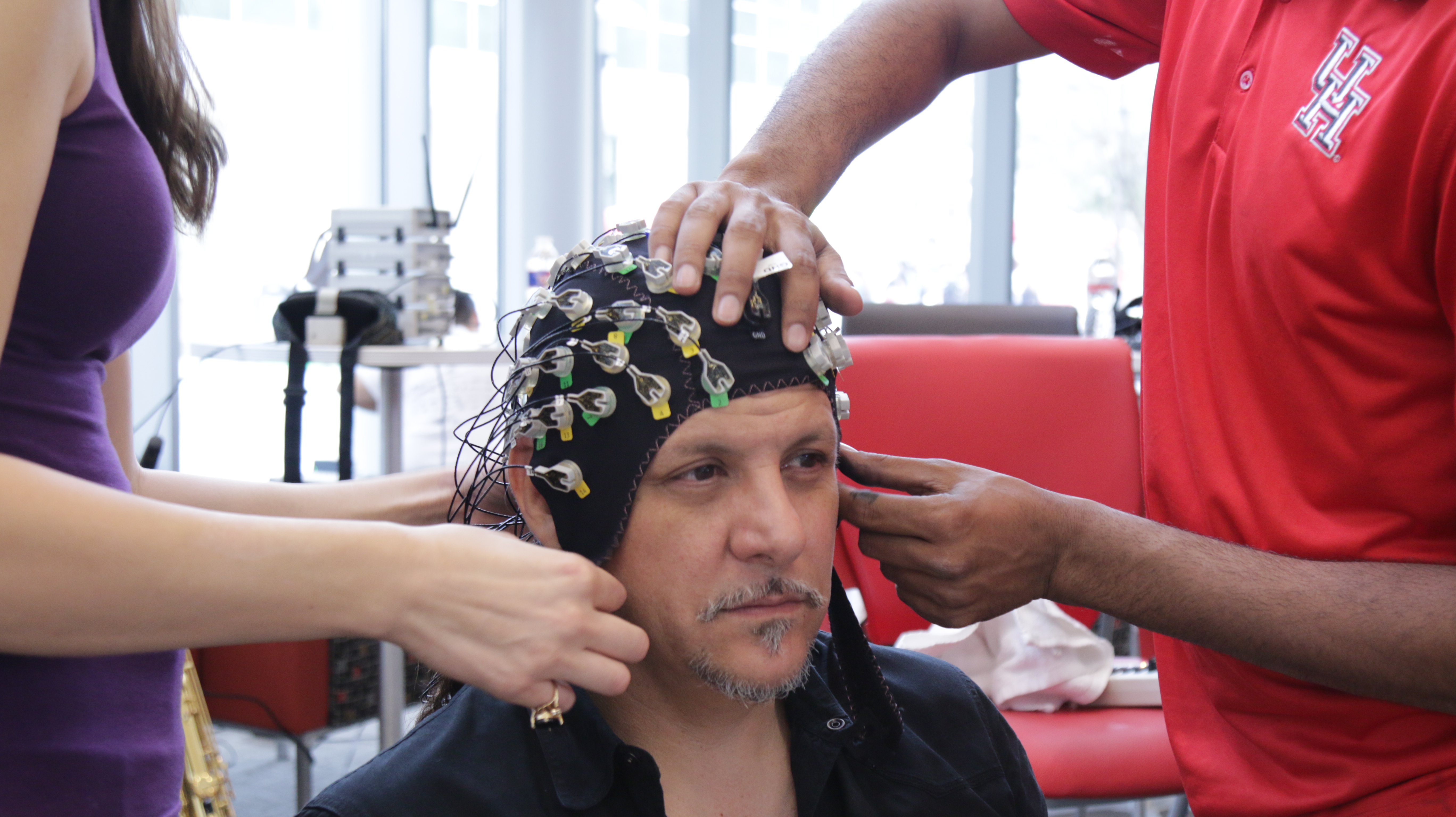
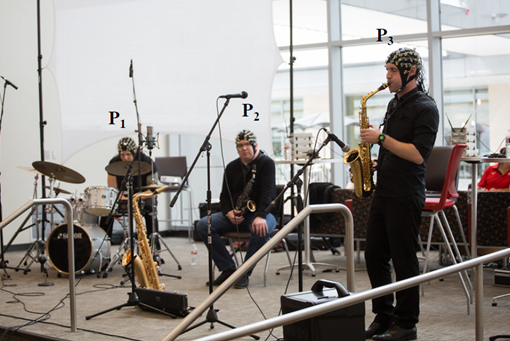
Brain On Music project is a collaborative effort between neuroscientists, musicians, and musicologists. Its goal is to investigate the neural processes involved in music perception, cognition, and emotion. To achieve this, the researchers use a combination of neuroimaging techniques, including functional magnetic resonance imaging (fMRI), electroencephalography (EEG), and magnetoencephalography (MEG).
One of the unique features of the brain on music project is the use of naturalistic musical stimuli. Unlike many previous studies that have used simplified and short musical stimuli, the brain on music project employs full-length musical pieces that better capture the complexity and richness of musical experience. This approach allows the researchers to investigate the brain’s response to music in a more ecologically valid manner.
The brain on music project has investigated a range of musical genres and styles, including Western classical music, Indian classical music, and jazz. By comparing the brain’s response to different musical genres, the researchers have identified neural networks that are involved in processing different aspects of musical experience, such as melody, rhythm, and emotion.
Brain On Music has made significant contributions to our understanding of the neural mechanisms underlying musical experience. By using naturalistic musical stimuli and a range of neuroimaging techniques, the project has shed light on the complex interplay between music, the brain, and human behavior. The findings from this project have important implications for the fields of neuroscience, musicology, and music therapy and could ultimately lead to new insights and treatments for a range of neurological and psychological disorders.
Team
Brain-Machine Interface (BMI) Systems Laboratory




Gallery

 Brain On Arts