

Acting out the mind’s syncopation with brain-body imaging
The intersection between neuroscience and acting is a fascinating area of research that has not been extensively explored. However, Brain on Acting has taken a step towards filling this gap. This study could shed light on the neural mechanisms underlying collaborative creativity, social cognition, and communication in real-world contexts.
Artistic expression is a complex and multidimensional human endeavor that has fascinated scholars for centuries. It is an important aspect of human culture, providing a means of communication, storytelling, and self-expression. The field of neuroscience has recently taken an interest in studying various forms of art, including music, visual arts, literature, poetry, dance, and now acting. A new project called “Brain on Acting” aims to understand the neural basis of acting by analyzing the physiological and audiovisual data of actors during rehearsals and performances.
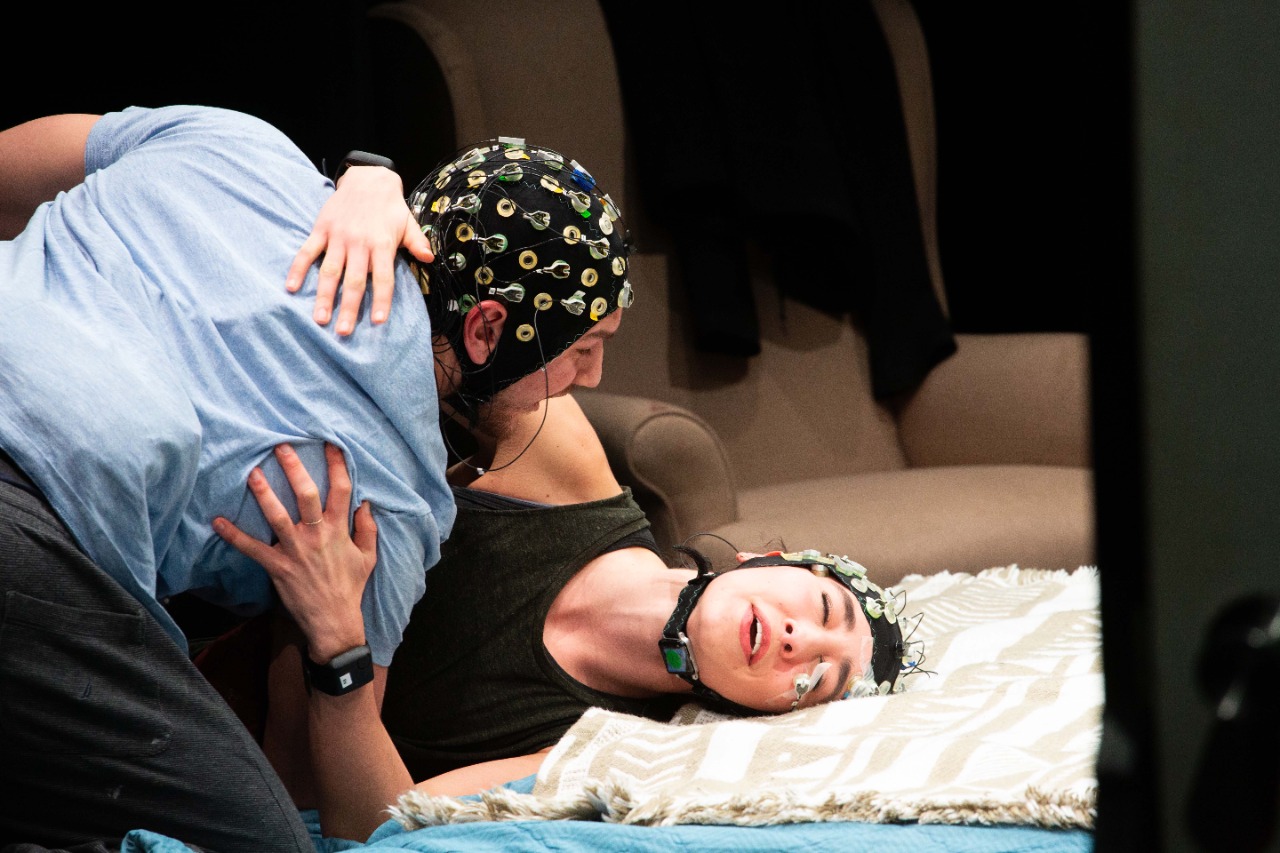
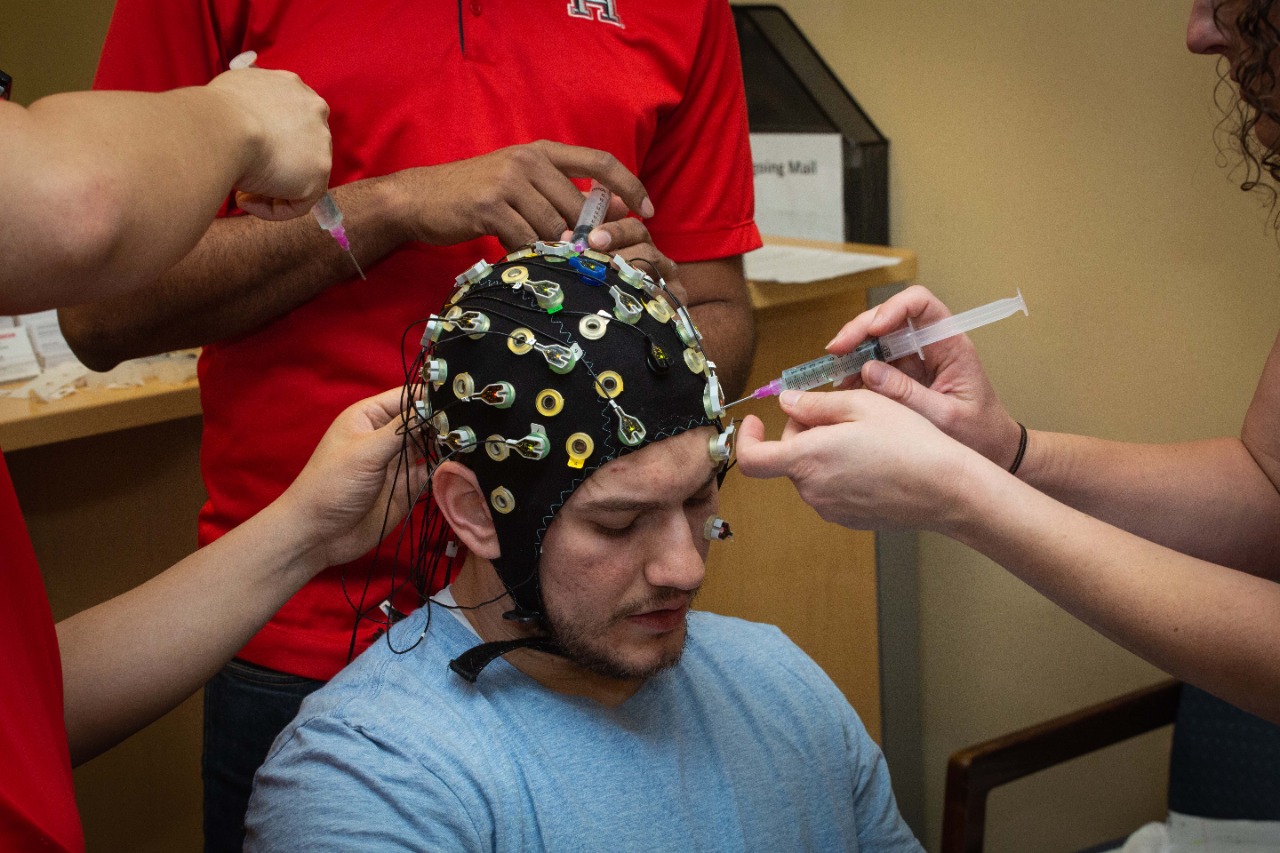
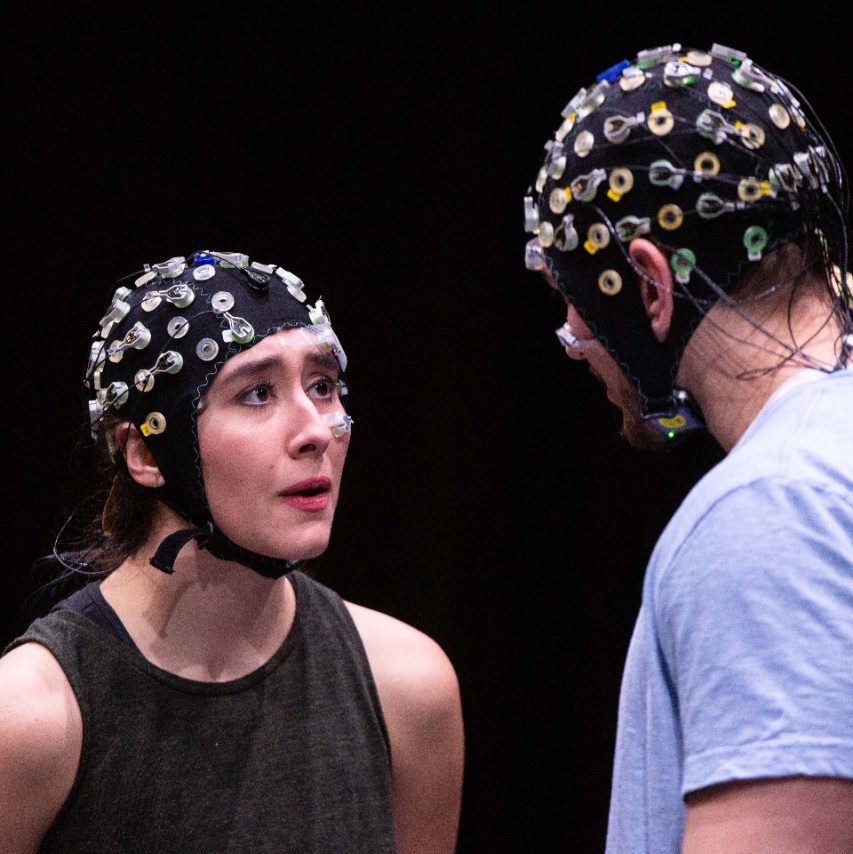
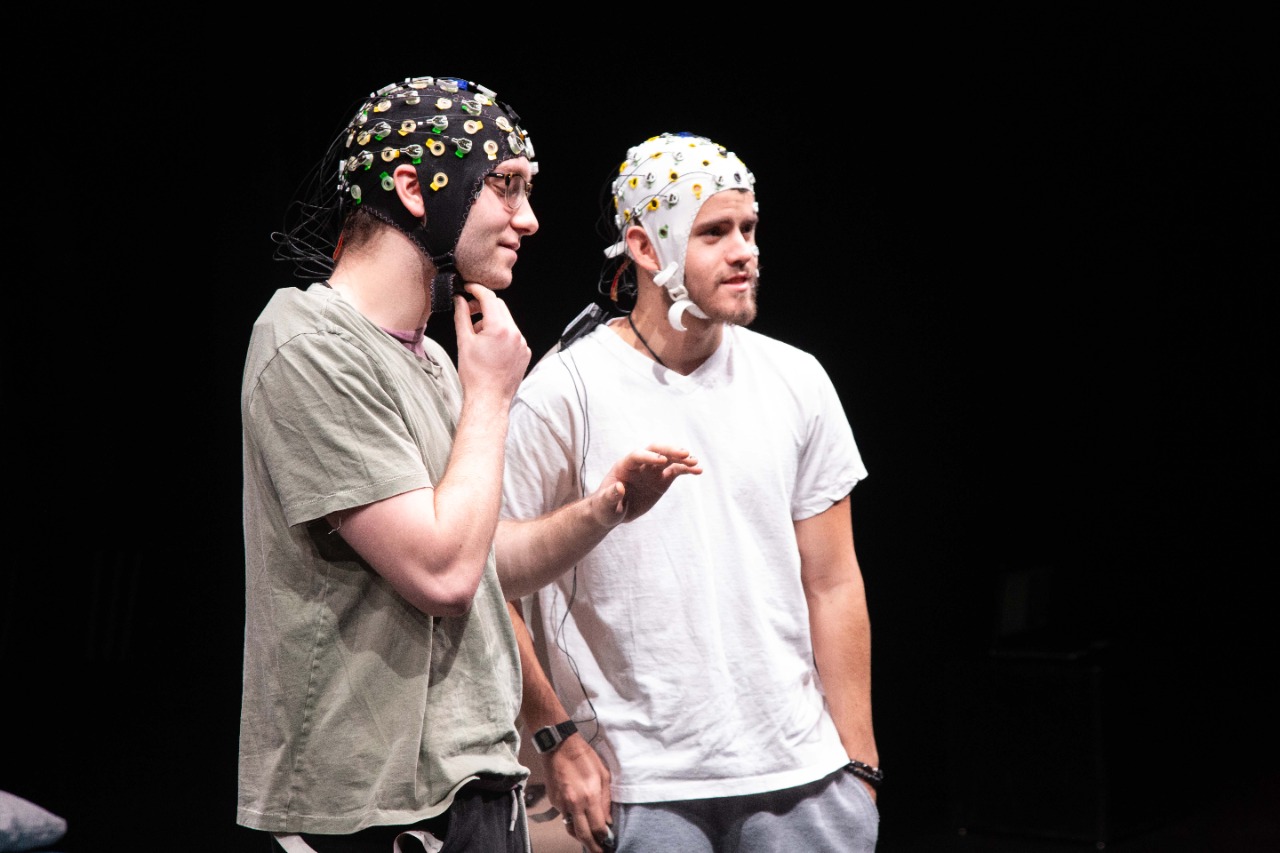
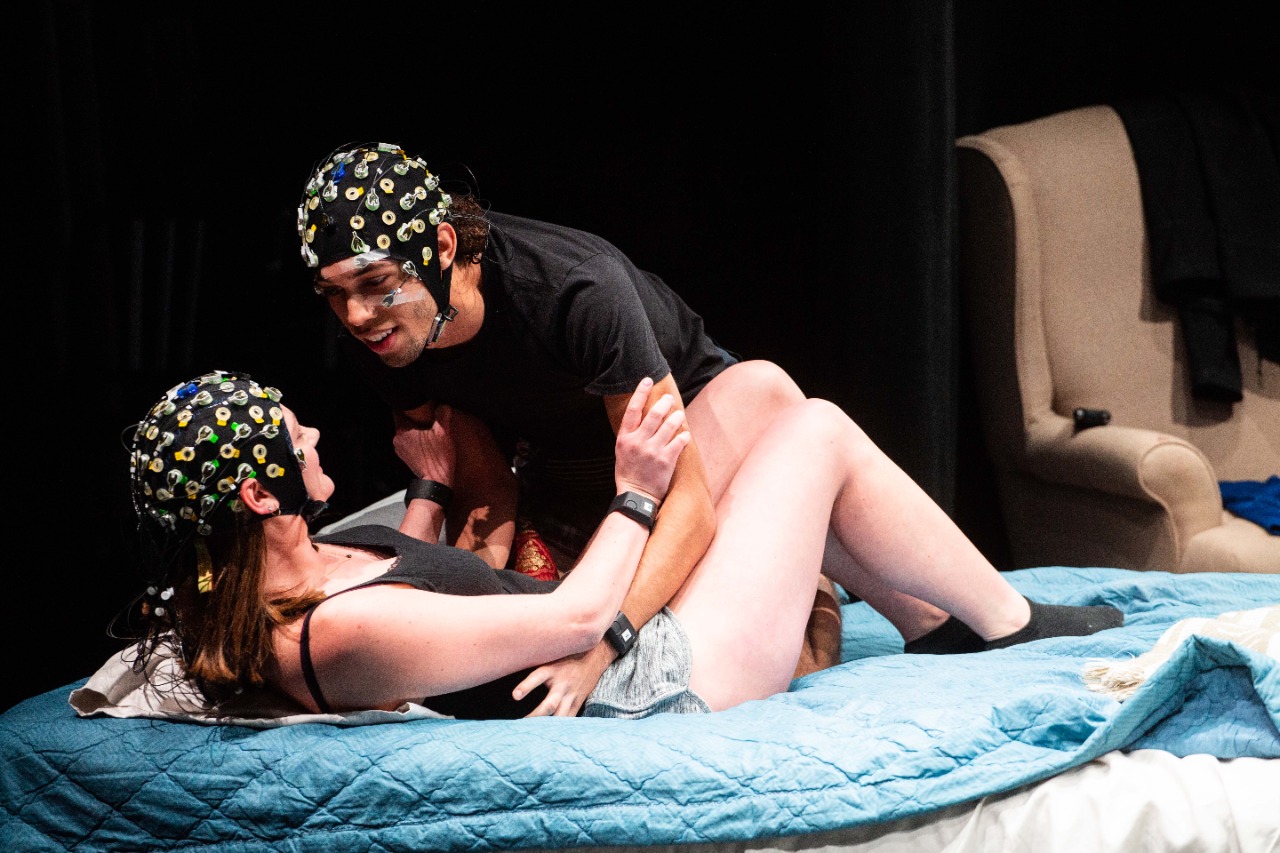
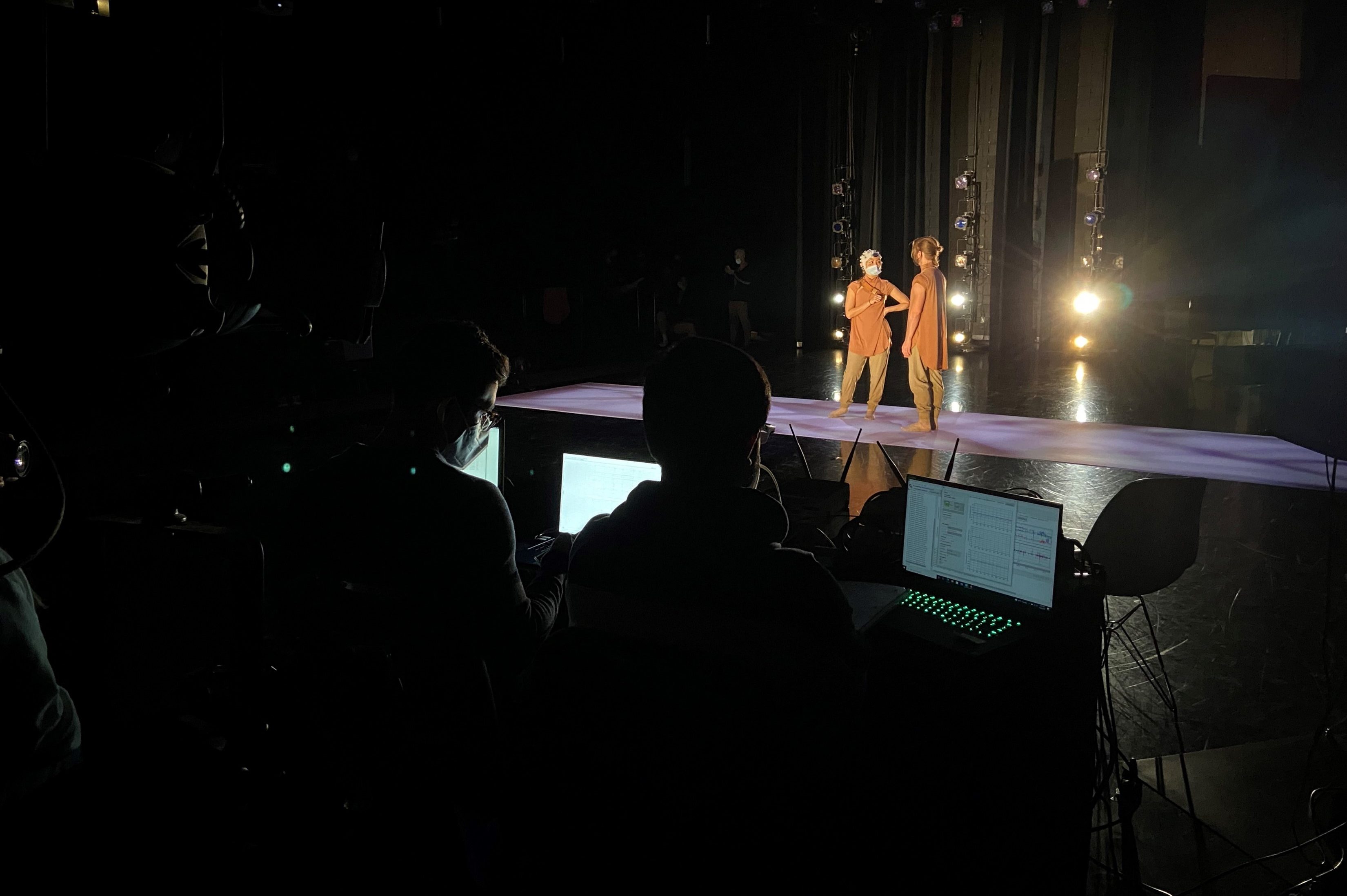
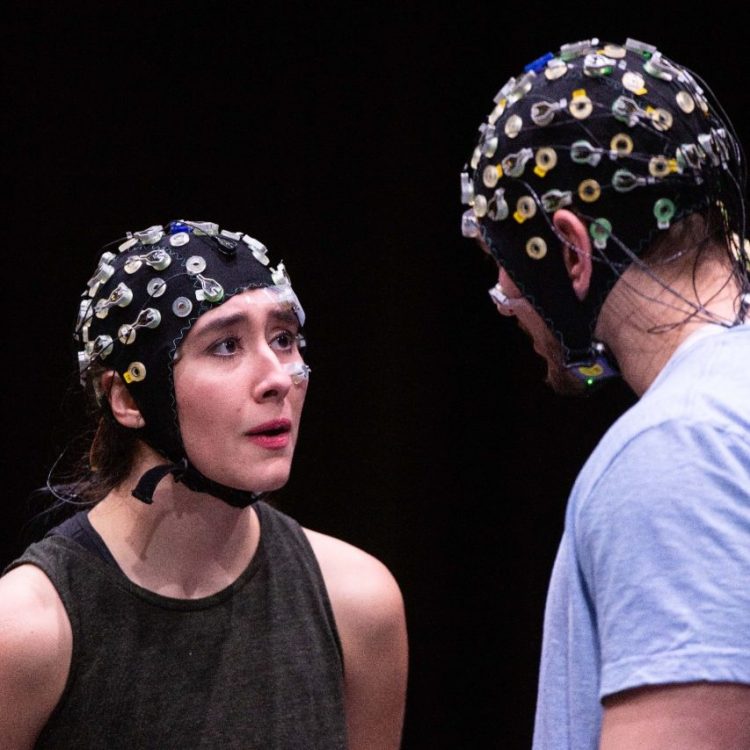
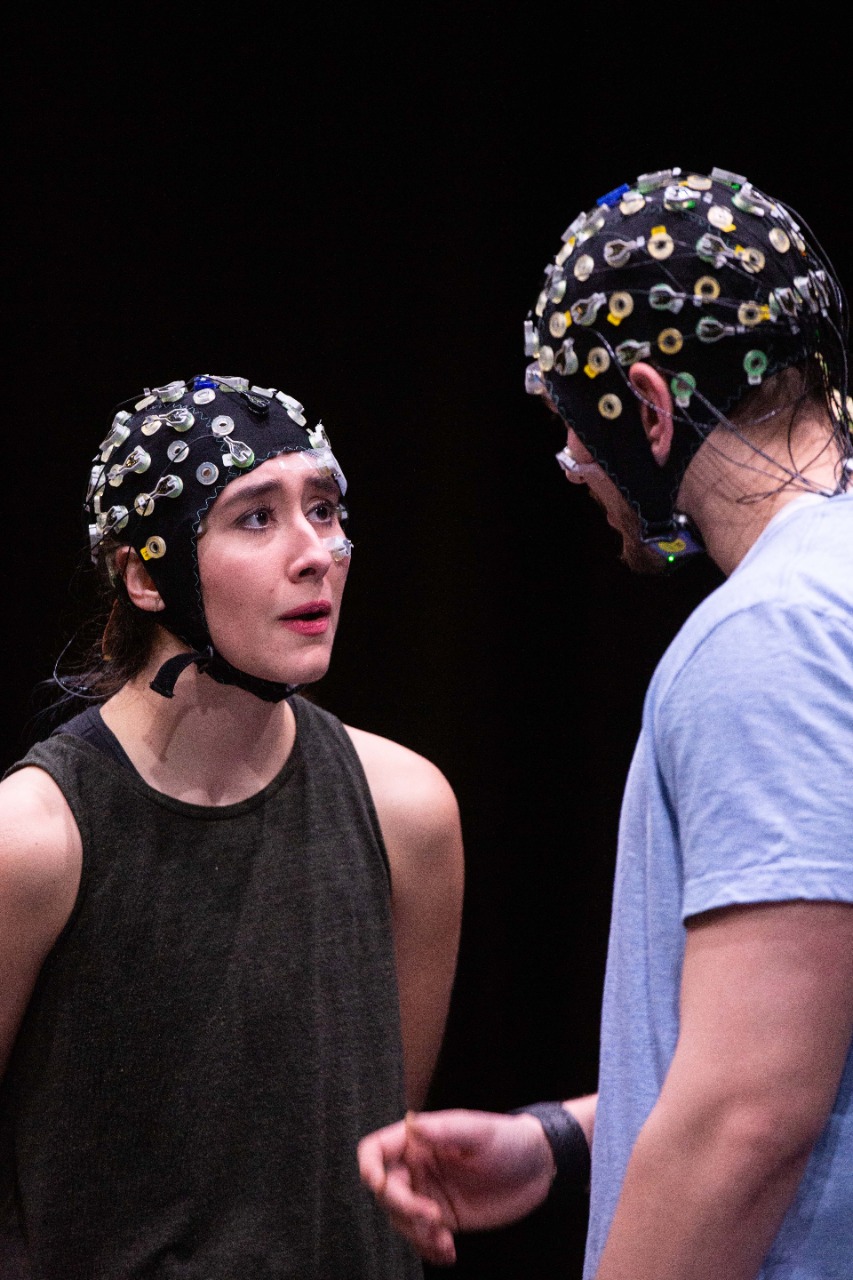
Brain on Acting is a longitudinal mobile brain-body imaging (MoBI) project consisting of six theatre rehearsals and three performances, recorded simultaneously with electroencephalography (EEG), electrooculography (EOG), blood volume pulse (BVP), heart rate, body temperature, electrodermal activity (EDA), triaxial arm and head acceleration, five streams of video, and one stream of audio. The data was collected during a week-long theatre scene with three pairs of undergraduate acting students under the direction of a theatre director. The director used predefined rehearsal methods identical for each group during two rehearsal sessions. The dataset also includes EEG and video recordings of three audience members during the performance sessions.
Brain on Acting is a unique approach to studying the social and neural aspects of acting. By using the analysis technique of EEG hyperscanning on the dataset, the project aims to determine synchronization brain activity patterns between actors, the director, and audience members. This type of data allows researchers to study behavioral data in a real-world dyadic setting, synchronized with the neurophysiological components. Previous studies have examined acting processes related to cognition and text memorization using fMRI, which investigates actors in an artificial laboratory setting and prevents physical movement or interaction with other actors. Brain on Acting has the potential to provide insight into the social and cognitive mechanisms involved in acting and could have implications for understanding interpersonal communication and empathy.
These findings could have broad implications for the fields of neuroscience, social psychology, and theatre studies, helping to deepen our understanding of the neural and social processes underlying human creativity, performance, and communication.
Team
Brain-Machine Interface (BMI) Systems Laboratory

E. Aimeé Delgado

Manuel Flurin Hendry



Aime J. Aguilar

Yoshua E. Lima

José L. Contreras
Gallery
 Brain On Arts